
Is Saffron Good for You? Top Benefits


Is Saffron Good for You? 10 Science-Backed Benefits
Saffron is one of the world’s most prized spices — valued for its vibrant color, unique aroma, and rich history in traditional cuisine. Derived from the flower Crocus sativus, saffron has been used for centuries not only as a culinary ingredient but also as a natural remedy in various cultures. Today, modern research is exploring whether saffron offers genuine health benefits beyond its flavor and appearance.
So, is saffron good for you?
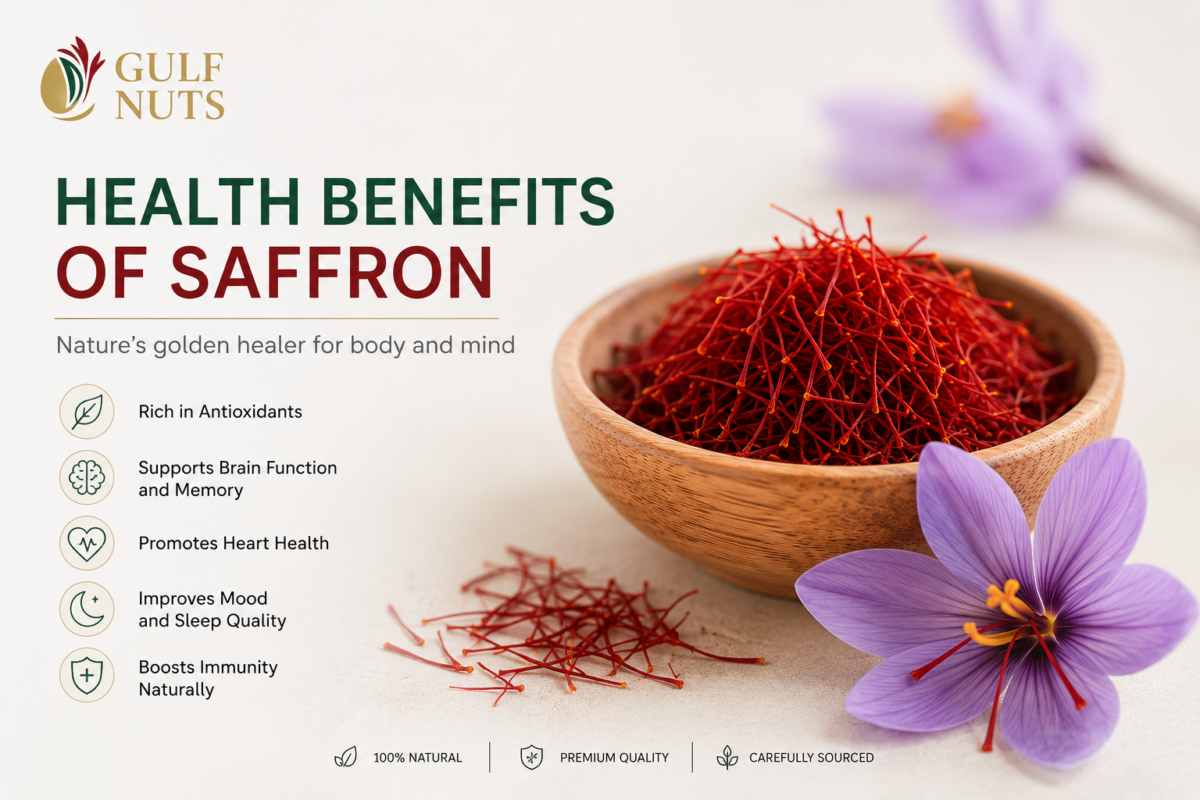
Current scientific evidence suggests saffron contains powerful bioactive compounds — including crocin, crocetin, safranal, and picrocrocin — that have been studied for their antioxidant, anti-inflammatory, and potential mood-supporting properties. While saffron shouldn’t be viewed as a miracle cure, research indicates it may contribute positively to overall health as part of a balanced diet.
What Makes Saffron Unique?
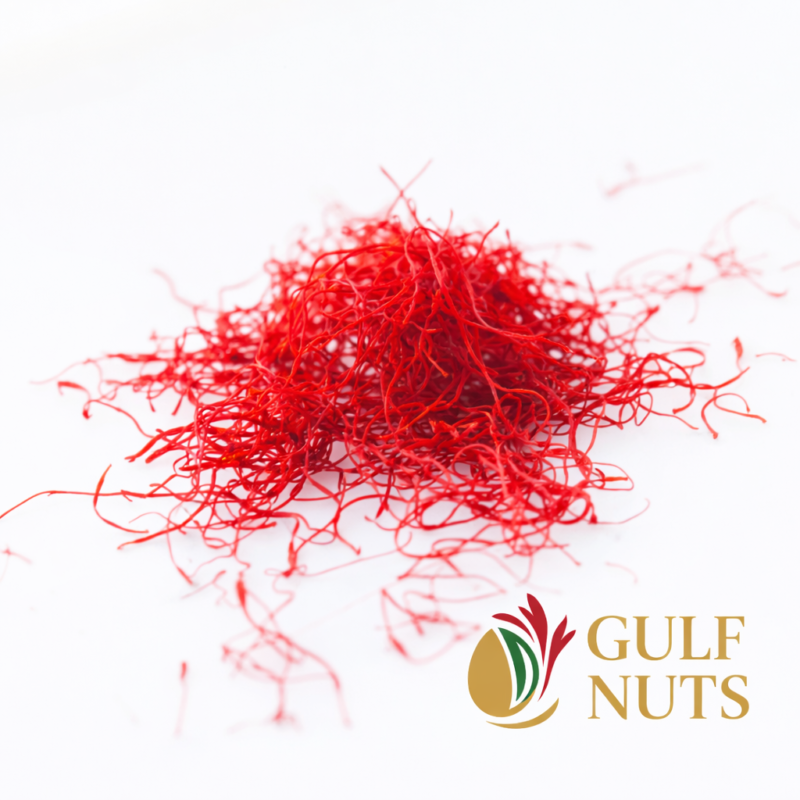
Saffron comes from the delicate red stigmas of the saffron crocus flower. Because each flower produces only three stigmas and harvesting is done entirely by hand, saffron is considered one of the most expensive spices in the world.
Its health-promoting potential comes from several natural compounds:
- Crocin — responsible for saffron’s deep red color
- Crocetin — a carotenoid with antioxidant properties
- Safranal — gives saffron its distinctive aroma
- Picrocrocin — contributes to its characteristic taste
10 Potential Health Benefits of Saffron
1. Is Saffron Good for You? It May Support a Healthy Mood
One of the most researched benefits of saffron is its potential role in emotional well-being. Several clinical studies suggest saffron supplementation may help improve symptoms of mild to moderate depression and anxiety. According to a systematic review published in Human Psychopharmacology, saffron showed antidepressant efficacy comparable to standard medications in clinical trials. That said, saffron should never replace professional medical treatment.
2. Rich in Antioxidants
Saffron contains a variety of antioxidant compounds, particularly crocin and crocetin, which help neutralize free radicals and support the body’s natural defenses against oxidative stress.
3. May Help Reduce Stress and Anxiety
Some studies suggest saffron may promote relaxation and emotional balance by influencing brain pathways involved in the stress response.
4. Is Saffron Good for You Brain?
Scientists are increasingly interested in saffron’s effects on cognitive function. A comprehensive review in Nutrients on saffron’s role in neuropsychiatric and age-related diseases notes that crocin and crocetin may help protect brain cells from oxidative stress and inflammation.
5. May Promote Heart Health
Research has investigated saffron’s effects on cholesterol, triglycerides, and blood pressure. Some studies suggest saffron may help reduce LDL (“bad”) cholesterol while supporting HDL (“good”) cholesterol.
6. Has Anti-Inflammatory Properties
Chronic inflammation is linked to numerous health conditions. Laboratory and clinical research indicates saffron’s bioactive compounds may help regulate inflammatory pathways in the body.
7. May Benefit Eye Health
Saffron’s antioxidant compounds have attracted attention for their potential role in supporting vision, particularly in aging populations, by helping protect retinal cells from oxidative damage.
8. May Improve Sleep Quality
Emerging research suggests saffron may help improve sleep quality and promote relaxation — potentially by reducing the stress and anxiety that often disrupt sleep.
9. May Support Women’s Health
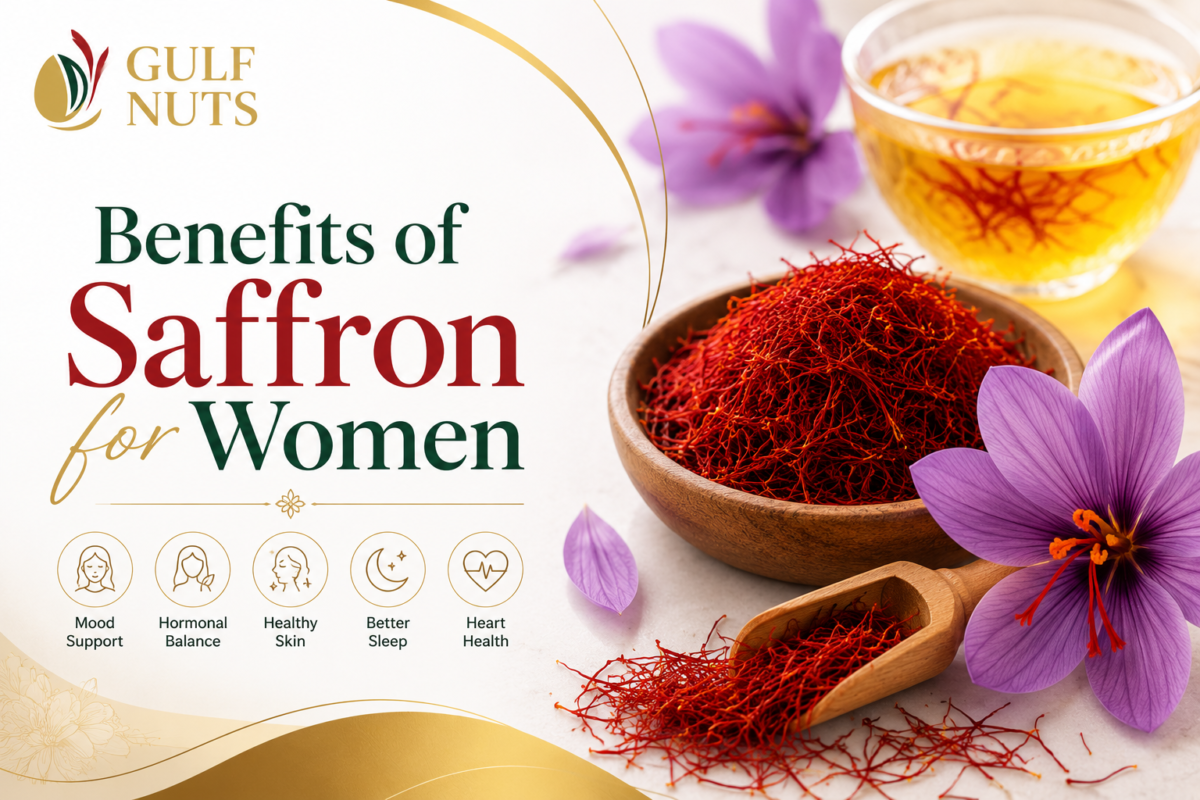
Saffron has traditionally been used to support women’s health, and research suggests it may help reduce certain PMS symptoms, including mood fluctuations and discomfort.
10. May Help Protect Cells from Oxidative Damage
Oxidative stress contributes to aging and many chronic conditions. Through its antioxidant compounds, saffron may help support cellular health over time.
Is Saffron Good for You Every Day? Safety Guidelines
For most healthy adults, saffron is generally safe in normal culinary amounts. Using it in cooking, tea, or traditional recipes is unlikely to cause problems. Concentrated saffron supplements, however, may have different effects due to their much higher concentration of active compounds.
Potential side effects of excessive consumption include nausea, stomach discomfort, headache, dizziness, dry mouth, and digestive issues. Anyone pregnant, breastfeeding, taking medication, or managing a chronic condition should consult a healthcare professional before using saffron supplements regularly.
Saffron in Food vs. Saffron Supplements
Culinary saffron is typically consumed in small quantities through dishes like saffron rice, tea, desserts, and traditional beverages. Supplements, by contrast, often contain concentrated extracts with significantly higher amounts of active compounds — so effects seen in supplement studies may not reflect ordinary dietary use. For everyday culinary use, our pure saffron collection is a good place to start.
Frequently Asked Questions
Is saffron good for you?
Yes. Current research suggests saffron contains antioxidant and bioactive compounds that may support mood, brain health, cardiovascular wellness, and overall health when consumed appropriately.
Can you drink saffron tea every day?
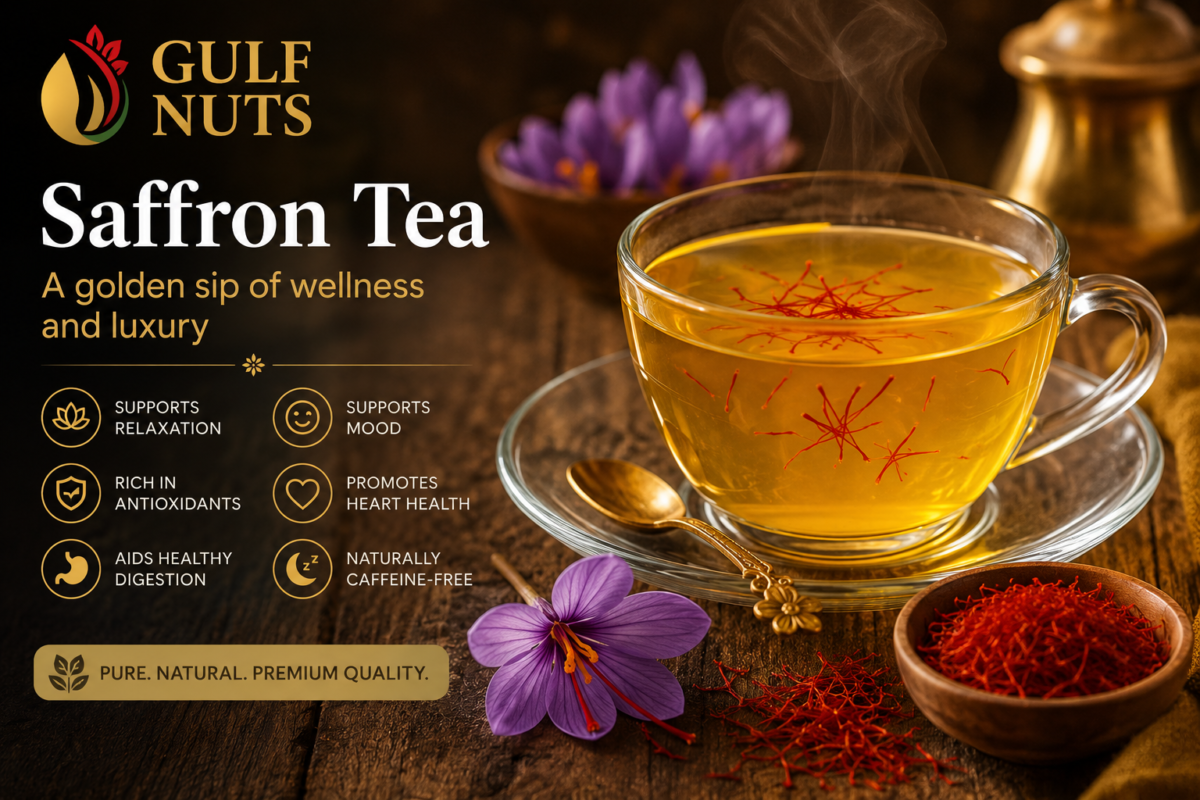
Most healthy adults can enjoy saffron tea in moderation as part of a balanced diet, though excessive intake or high-dose supplementation should be approached with caution.
Is saffron good for the brain?
Research suggests saffron’s antioxidant compounds may help support cognitive function and protect brain cells from oxidative stress.
Does saffron help with depression?
Several studies report promising results regarding saffron’s potential to support mood and reduce symptoms of mild to moderate depression — but it shouldn’t replace professional medical care.
Final Thoughts
So, is saffron good for you? The answer appears to be yes. Saffron is more than a flavorful spice — it contains biologically active compounds that may offer a range of benefits for mood, stress management, brain health, heart health, sleep quality, inflammation, and antioxidant protection.
At the same time, saffron is not a miracle cure. Many of its proposed benefits require further investigation through larger, longer-term clinical studies. The best approach is to enjoy saffron as part of a healthy, balanced diet — browse our full saffron range — while keeping realistic expectations about its effects.