
Saffron Tea Benefits: What Happens Daily?


What Happens If You Drink Saffron Tea Every Day?
Saffron tea benefits have attracted attention among people looking for a warm, aromatic drink that is different from ordinary tea. Made by steeping saffron threads in warm or hot water, saffron tea has a distinctive golden color, floral aroma, and slightly bitter flavor.
But what actually happens if you drink saffron tea every day?
Saffron contains naturally occurring compounds such as crocin, crocetin, picrocrocin, and safranal. Researchers have investigated saffron for several possible health effects, including its relationship with mood, sleep, oxidative stress, and other health outcomes. However, an important distinction is often overlooked: much of the clinical research involves measured amounts of saffron or standardized saffron extracts rather than homemade saffron tea.
So, drinking saffron tea can be an enjoyable way to include saffron in your diet, but it should not be treated as a miracle drink or a replacement for medical treatment.
1. Saffron Tea Provides Natural Plant Compounds
One reason saffron has attracted scientific interest is its unusual chemical composition.
Crocin and crocetin are carotenoid compounds associated with saffron’s characteristic color, while safranal contributes significantly to its aroma. Picrocrocin is associated with its distinctive bitter taste.
Researchers have studied saffron supplementation in relation to markers of oxidative stress. A systematic review and meta-analysis of randomized trials found changes in several antioxidant and oxidative-stress markers following saffron supplementation. However, these findings should not automatically be interpreted as showing the same effect from drinking homemade saffron tea every day.
2. Saffron Tea Benefits for Mood
Mood is probably one of the most researched areas surrounding saffron.
Multiple clinical trials and reviews have investigated saffron preparations in people experiencing depressive symptoms. Reviews have reported promising findings, although researchers continue to emphasize limitations in the evidence and the need for larger, higher-quality trials.
Does that mean a cup of saffron tea will improve your mood?
Not necessarily.
The amount and preparation used in clinical research can be very different from what ends up in a homemade cup of tea. Therefore, it is more accurate to say that saffron itself has been investigated for potential mood-related effects, rather than claiming that daily saffron tea has been proven to improve mood.
Still, the aroma, color, and ritual of preparing a warm cup can make saffron tea an enjoyable part of a daily routine.
Saffron Tea Benefits
3. Saffron Tea Benefits for Sleep
Another interesting area of saffron research is sleep.
A systematic review of randomized controlled trials found preliminary evidence suggesting saffron preparations may have beneficial effects on aspects of sleep quality and duration. The review included five randomized trials involving 379 participants.
Again, this evidence does not establish that ordinary saffron tea will produce the same results.
If you enjoy a warm caffeine-free drink in the evening, however, saffron tea may be an appealing option. Unlike traditional black or green tea, pure saffron tea does not naturally contain caffeine.
That can make it particularly attractive to people who simply want a fragrant hot beverage without adding another caffeinated drink to their day.
4. You May Begin to Appreciate Saffron’s Flavor More
Not every benefit of drinking saffron tea needs to be medical.
Saffron has an unusual flavor profile that can take some time to appreciate. It is aromatic, slightly bitter, floral, and earthy at the same time.
Drinking it regularly may help you recognize the characteristics of good saffron more easily.
This can also be useful when cooking. Once you understand how saffron smells, tastes, and releases color in water, it becomes easier to use it properly in rice, desserts, sauces, and other recipes.
5. Quality Makes a Big Difference
If you’re exploring saffron tea benefits, the quality of the saffron matters.
Poor-quality or improperly stored saffron may have lost some of its aroma and coloring strength. Products that contain unwanted plant material or are not genuine saffron are an even bigger concern.
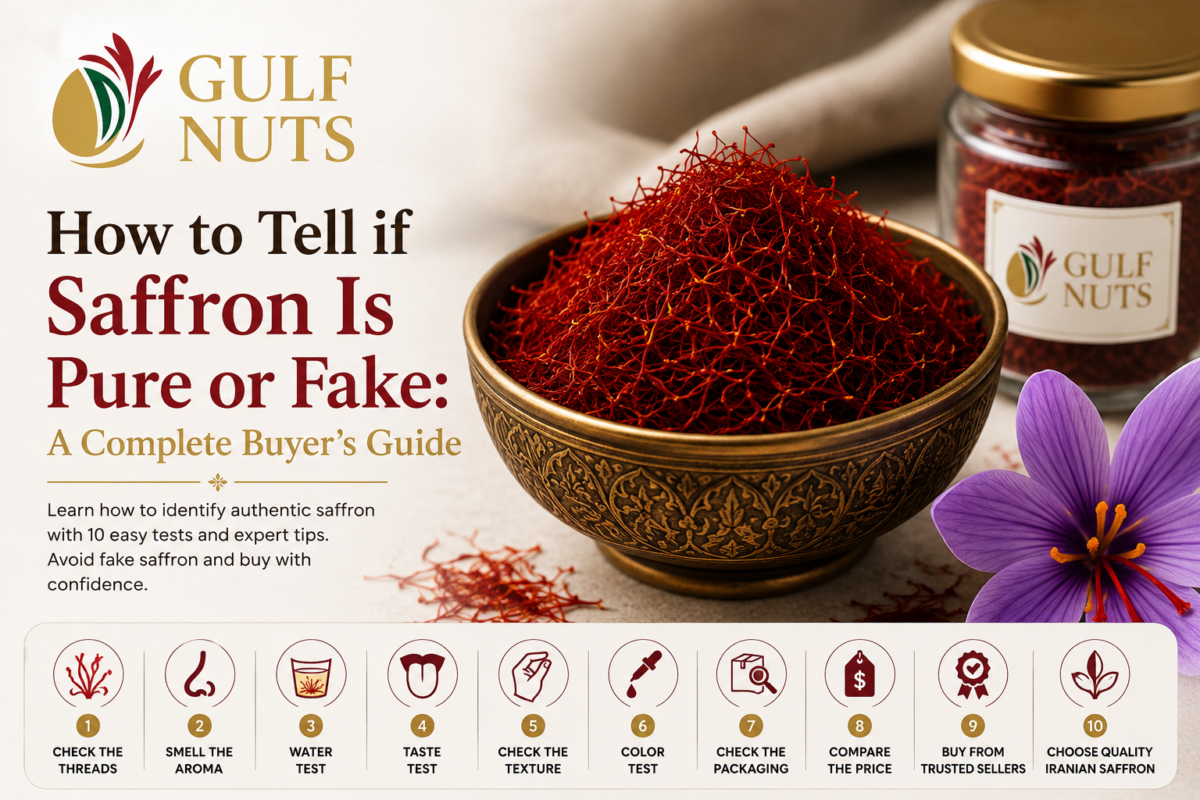
Look closely at the threads before brewing them. Good saffron should have the recognizable characteristics of saffron stigmas and a distinctive aroma.
Storage matters as well.
Saffron Tea Benefits
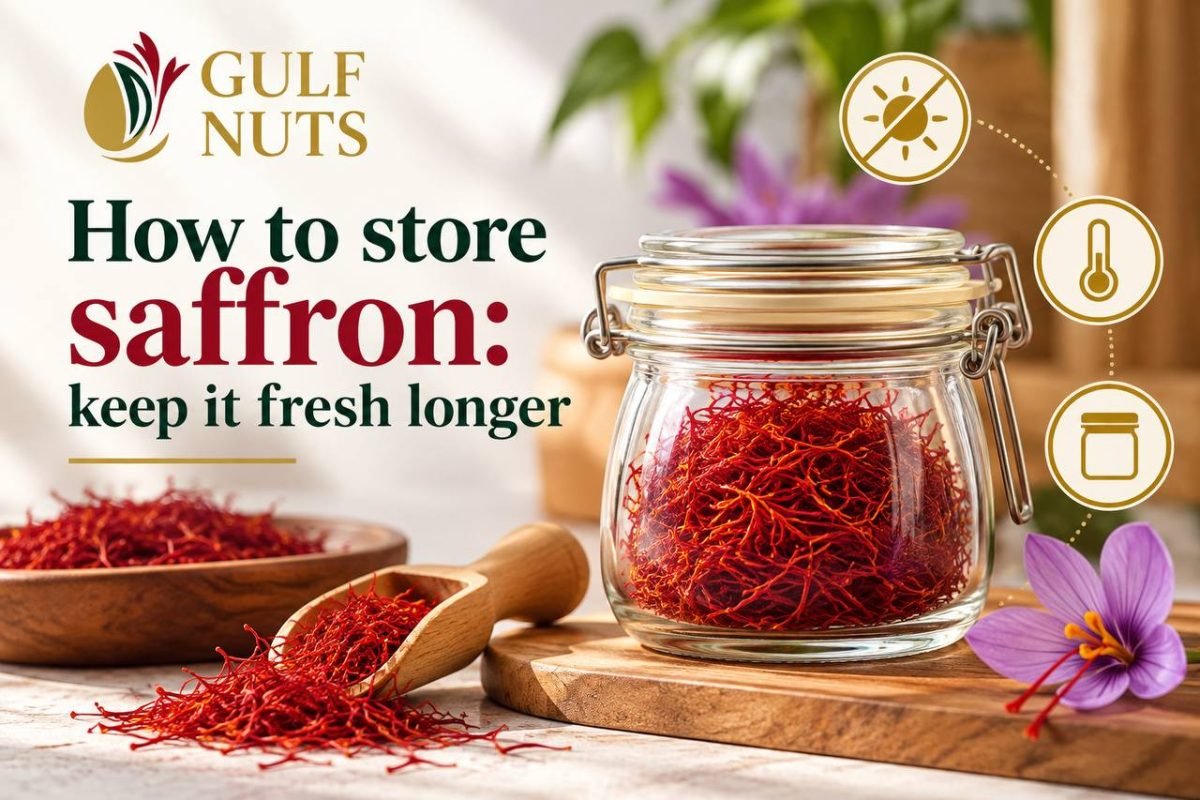
Keep saffron protected from excessive light, moisture, heat, and air. An airtight container stored in a cool, dry, dark location helps preserve its characteristics.
6. What Does Saffron Tea Taste Like?
People trying saffron tea for the first time sometimes expect it to taste sweet.
It doesn’t.
Pure saffron has a complex aroma and a slightly bitter flavor. When infused in water, it produces a beautiful golden-yellow drink with a distinctive fragrance.
Some people prefer drinking the infusion by itself, while others combine saffron with ingredients such as cardamom or a little honey for flavor.
The important point is not to overwhelm the saffron. Its aroma is delicate, and adding too many strongly flavored ingredients can hide the characteristic that makes the drink special.
7. Is It Safe to Drink Saffron Tea Every Day?
This is where responsible advice matters.
Clinical research suggests that saffron preparations are generally well tolerated at the amounts studied, but adverse effects have been reported. A 2026 systematic review covering more than 100 clinical trials found that reported saffron-related adverse events were most commonly gastrointestinal and generally mild, while also cautioning about medicinal use at higher amounts or for prolonged periods.
Earlier clinical research has also reported effects such as nausea, headache, dry mouth, dizziness, appetite changes, and gastrointestinal discomfort in some participants.
This is another reason not to assume that “natural” means unlimited consumption is automatically safe.
People with health conditions, people taking medications, and anyone considering concentrated or medicinal amounts of saffron should seek appropriate medical advice rather than relying on an online article.
8. Saffron Tea Isn’t a Miracle Treatment
This deserves its own section because online health content frequently exaggerates the effects of saffron.
You may encounter claims suggesting saffron tea can “detox” the body, cure diseases, produce dramatic weight loss, or completely transform your health.
Scientific research does not justify treating saffron tea as a cure-all.
Saffron Tea Benefits
A broad review of saffron meta-analyses found potentially beneficial findings across several health outcomes but also identified important weaknesses in the quality of the available reviews and called for larger, high-quality randomized trials.
A better way to think about saffron tea is simple: it is a flavorful beverage made from a valuable spice that contains interesting plant compounds currently being researched.
9. Is Saffron Tea Better Than Regular Tea?
There isn’t a universal winner.
Saffron tea and traditional teas are different beverages with different flavors and chemical compositions.
Pure saffron tea is naturally caffeine-free, whereas black and green teas contain caffeine. If you’re trying to avoid caffeine later in the day, that difference may make saffron tea more appealing.
On the other hand, saffron is expensive, so drinking it frequently will usually cost considerably more than drinking conventional tea.
Your choice should depend primarily on your preferences rather than claims that one drink is universally healthier.
10. How to Get More From Your Saffron
If you’re buying premium saffron, preparation and storage are important.
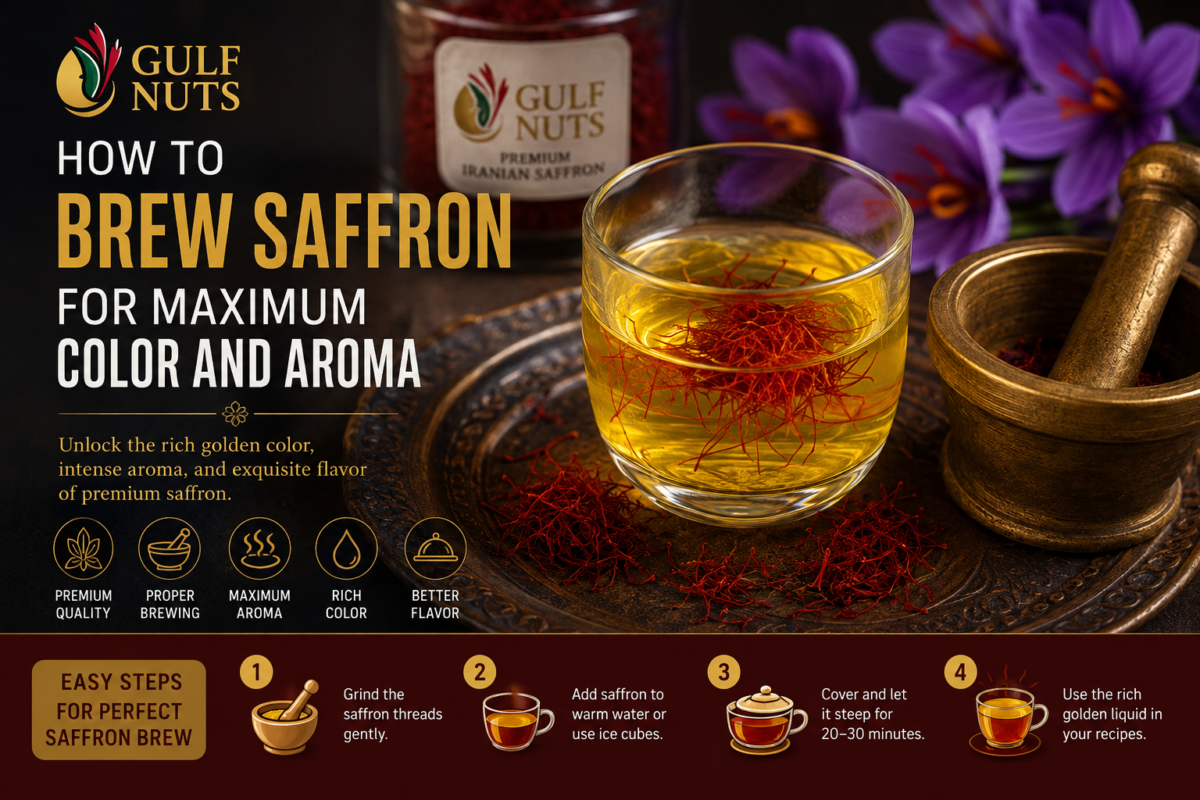
Saffron releases its characteristic color and aroma when infused. Crushing the threads slightly before infusion increases their exposed surface area, while giving the saffron time to infuse allows its color and aroma to develop.
Avoid judging saffron solely by how quickly it colors water. Authenticity and quality involve more than one simple home test.
For the best experience, start with genuine saffron, store it properly, and prepare it carefully.
So, What Happens If You Drink Saffron Tea Every Day?
For most people, the most noticeable result may simply be adding a fragrant, colorful, caffeine-free beverage to their routine.
Saffron itself contains compounds that have attracted considerable scientific attention. Research has explored potential relationships with mood, sleep, oxidative stress, cognitive function, and other outcomes, but evidence varies considerably depending on the outcome being studied.
Most importantly, research involving saffron supplements or extracts should not be presented as direct proof that a homemade cup of saffron tea provides the same effects.
That distinction makes the difference between responsible health information and exaggerated marketing.
Final Thoughts on Saffron Tea Benefits
The potential saffron tea benefits make this golden drink an interesting addition to a varied diet, but there is no need to turn it into a miracle remedy.
Saffron provides unique flavor, aroma, and naturally occurring plant compounds. Scientific research on saffron is promising in several areas, but many questions remain, particularly when translating research on standardized saffron preparations into claims about ordinary saffron tea.
If you enjoy its flavor, saffron tea can be a distinctive way to experience one of the world’s most famous spices.
Choose genuine saffron, store it correctly, prepare it carefully, and enjoy it for what it is: a remarkable aromatic beverage with an equally remarkable history.