
Health Benefits of Hazelnuts | Complete Guide

Hazelnuts: Health Benefits, Nutrition, Uses, and Everything You Need to Know
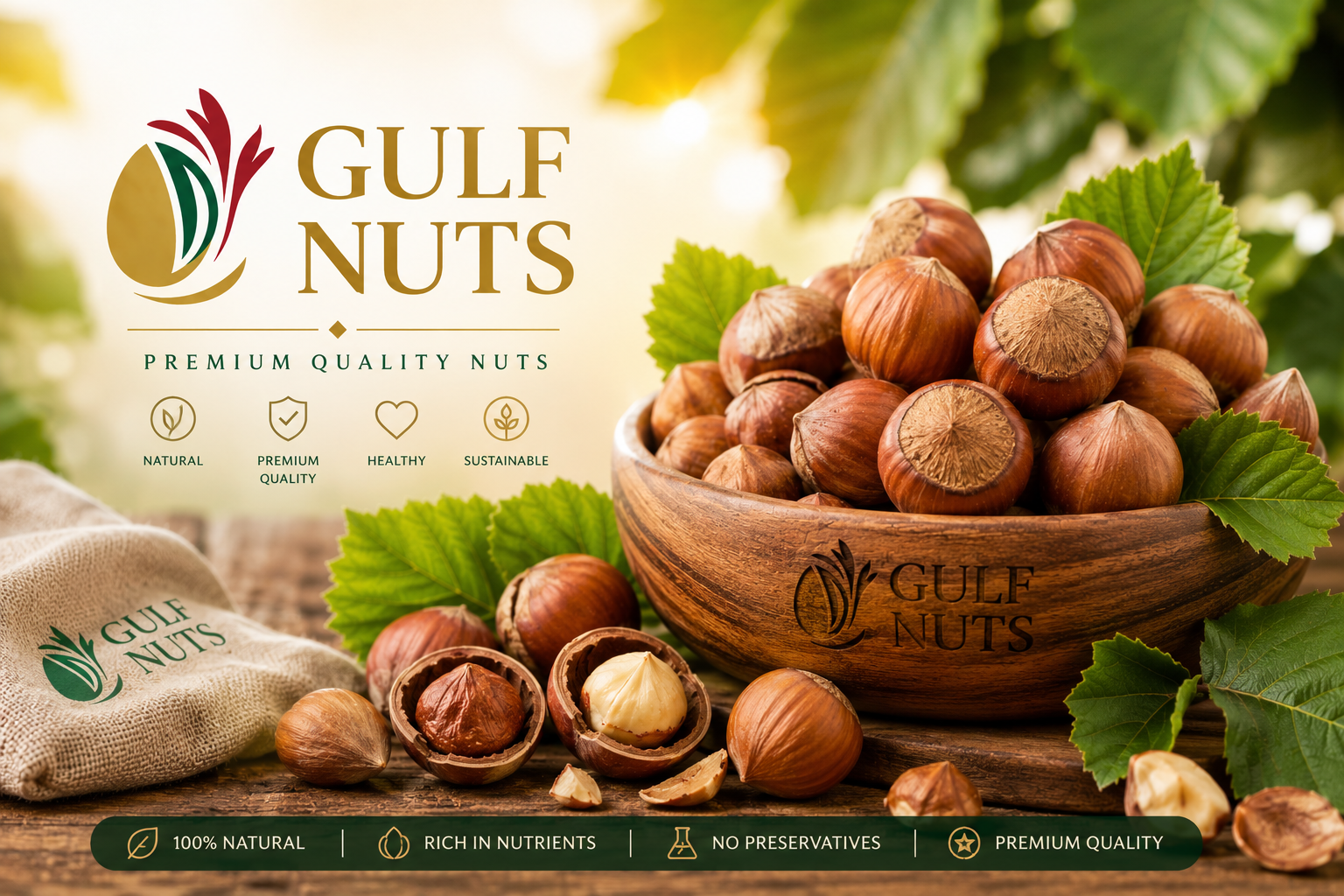
The health benefits of hazelnuts make them one of the healthiest tree nuts in the world. Rich in healthy fats, vitamin E, antioxidants, and fiber, hazelnuts support heart health, brain function, and overall wellness.
Hazelnuts: A Complete Guide to Nutrition, Health Benefits, and Uses
Hazelnuts are among the world’s most popular tree nuts, valued for their rich flavor, crunchy texture, and impressive nutritional profile. They have been cultivated for centuries and are widely used in desserts, chocolates, spreads, baked goods, and healthy snacks. Beyond their delicious taste, hazelnuts are packed with essential vitamins, minerals, healthy fats, and antioxidants that support overall health.
Today, hazelnuts are considered a superfood because they offer many health benefits while being versatile enough to fit into almost any diet. Whether eaten raw, roasted, or added to recipes, hazelnuts provide an excellent source of energy and nutrition.
What Are Hazelnuts?
Hazelnuts are the edible seeds of the hazel tree, scientifically known as Corylus avellana. They are primarily grown in regions with mild climates. Turkey is the world’s largest producer of hazelnuts, supplying a significant portion of the global market. Other major producers include Italy, the United States, Spain, Georgia, and Azerbaijan.
Hazelnuts have a slightly sweet, buttery flavor that makes them a favorite ingredient in many sweet and savory dishes. They are commonly sold raw, roasted, chopped, sliced, or ground into flour and butter.
Nutritional Value of Hazelnuts
One of the biggest reasons hazelnuts are so popular is their outstanding nutritional content.
A serving of approximately 28 grams (1 ounce) contains:
- Around 176 calories
- 17 grams of healthy fats
- 4 grams of protein
- 5 grams of carbohydrates
- 3 grams of dietary fiber
- Vitamin E
- Magnesium
- Copper
- Manganese
- Folate
- Iron
- Phosphorus
- Potassium
- Zinc
Hazelnuts are naturally low in sodium and contain no cholesterol, making them an excellent addition to a heart-healthy diet.
Health Benefits of Hazelnuts
1. Rich in Powerful Antioxidants
Hazelnuts are loaded with antioxidants, especially vitamin E and phenolic compounds. These antioxidants help protect the body’s cells against oxidative stress caused by free radicals. Reducing oxidative stress may lower the risk of chronic diseases and support healthy aging.
2. Supports Heart Health
Healthy fats found in hazelnuts, particularly monounsaturated fatty acids, can help reduce LDL (bad) cholesterol while maintaining HDL (good) cholesterol. Regular consumption may contribute to improved cardiovascular health and reduced risk of heart disease.
3. Excellent Source of Vitamin E
Vitamin E is essential for maintaining healthy skin, eyes, and immune function. It also protects cell membranes from damage and supports healthy brain function.
4. Helps Brain Function
Hazelnuts contain nutrients such as vitamin E, magnesium, healthy fats, and antioxidants that may support cognitive performance and memory. These nutrients contribute to normal nervous system function.
5. Improves Digestive Health
Dietary fiber promotes healthy digestion by supporting regular bowel movements and feeding beneficial gut bacteria. Eating fiber-rich foods like hazelnuts may contribute to a healthier digestive system.
6. Supports Weight Management
Although hazelnuts are calorie-dense, they are satisfying because they contain healthy fats, protein, and fiber. These nutrients help increase feelings of fullness, making it easier to control hunger and reduce unnecessary snacking.
7. Strengthens Bones
Hazelnuts provide magnesium, phosphorus, calcium, and manganese, all of which play important roles in maintaining strong bones and supporting normal muscle function.
8. May Help Reduce Inflammation
The healthy fats and antioxidants in hazelnuts may help reduce inflammation throughout the body. A balanced diet that includes nuts is often associated with improved overall health.
Culinary Uses of Hazelnuts
Hazelnuts are extremely versatile in the kitchen. Their rich flavor complements both sweet and savory recipes.
Some popular uses include:
- Baking cakes and cookies
- Making chocolate spreads
- Adding to breakfast cereals
- Mixing into granola
- Sprinkling over yogurt
- Blending into smoothies
- Making nut butter
- Preparing pesto
- Adding to salads
- Using in energy bars
Roasted hazelnuts provide an even deeper flavor and are commonly used in gourmet cooking.
Hazelnuts in the Food Industry
The food industry relies heavily on hazelnuts because of their unique taste and nutritional value. They are widely used in:
- Chocolate products
- Ice cream
- Coffee flavorings
- Bakery products
- Breakfast cereals
- Protein snacks
- Nut spreads
- Plant-based beverages
Hazelnut oil is also valued for cooking, salad dressings, and cosmetic products because it is rich in vitamin E and healthy fatty acids.
How to Store Hazelnuts
Proper storage helps preserve freshness and flavor.
Follow these tips:
- Store in an airtight container.
- Keep them in a cool, dry place.
- Refrigerate for longer freshness.
- Freeze for long-term storage.
- Protect them from moisture and direct sunlight.
Properly stored hazelnuts can remain fresh for several months.
Are Hazelnuts Good for Everyone?
Most people can safely enjoy hazelnuts as part of a healthy diet. However, individuals with tree nut allergies should avoid them completely, as allergic reactions can range from mild to severe.
Because hazelnuts are calorie-rich, moderation is recommended. A small daily serving can provide valuable nutrients without excessive calorie intake.
Environmental Importance of Hazelnut Farming
Hazelnut cultivation supports rural economies and provides income for thousands of farming families worldwide. Sustainable farming practices help protect soil quality, biodiversity, and water resources while ensuring long-term productivity.
As consumer demand for healthy foods continues to grow, responsible hazelnut production is becoming increasingly important for both economic development and environmental conservation.
Tips for Including Hazelnuts in Your Diet
If you want to enjoy the benefits of hazelnuts every day, try these simple ideas:
- Eat a handful as a healthy snack.
- Add chopped hazelnuts to oatmeal.
- Mix them into homemade trail mix.
- Sprinkle over fruit salads.
- Blend into smoothies.
- Use hazelnut flour for gluten-free baking.
- Make homemade hazelnut butter.
- Add roasted hazelnuts to vegetable dishes.
These simple additions can increase your intake of healthy fats, vitamins, minerals, and antioxidants.
Conclusion
Hazelnuts are far more than a delicious snack. They are a nutritional powerhouse packed with healthy fats, fiber, protein, antioxidants, vitamins, and essential minerals. Regular consumption may support heart health, brain function, digestion, healthy skin, and overall wellness when included as part of a balanced diet.
Their versatility in cooking, impressive nutritional profile, and growing popularity make hazelnuts one of the best nuts to include in a healthy lifestyle. Whether enjoyed raw, roasted, or incorporated into recipes, hazelnuts offer exceptional taste and remarkable health benefits that have made them a favorite around the world.