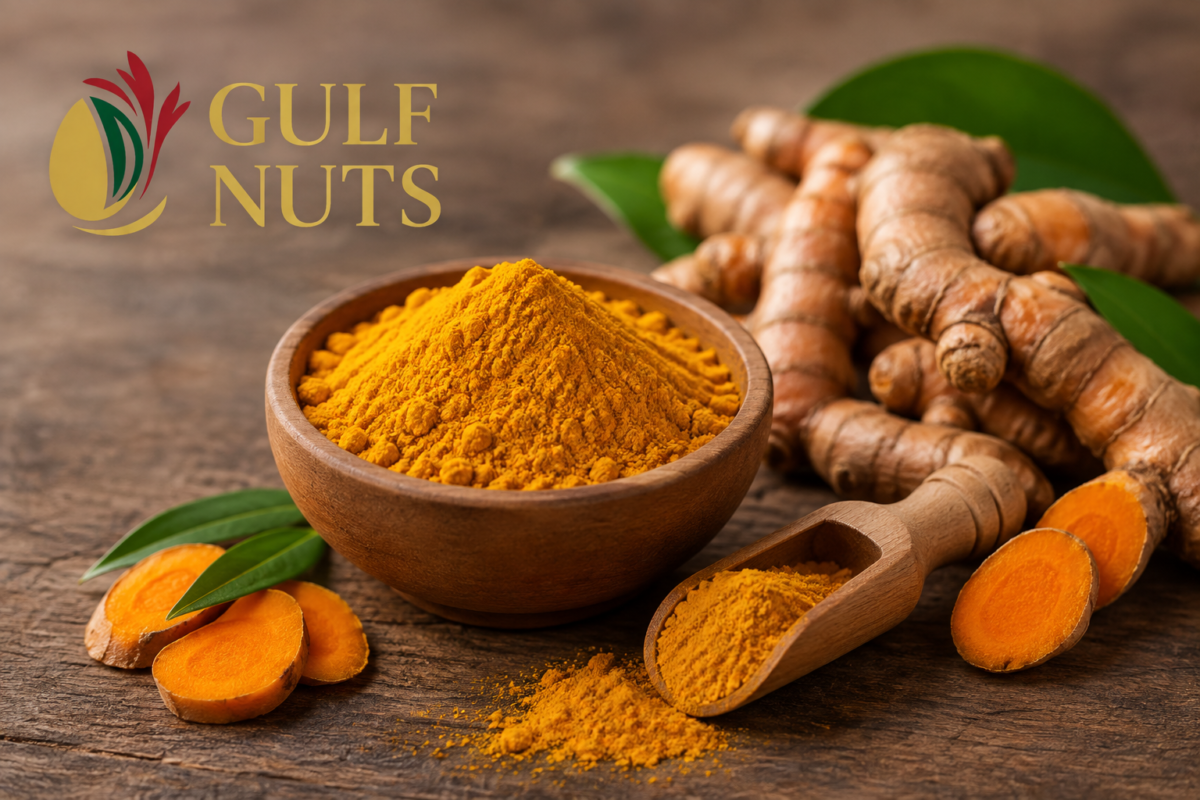

Black Pepper Benefits: Nutrition, Health Advantages, Uses, and Side Effects

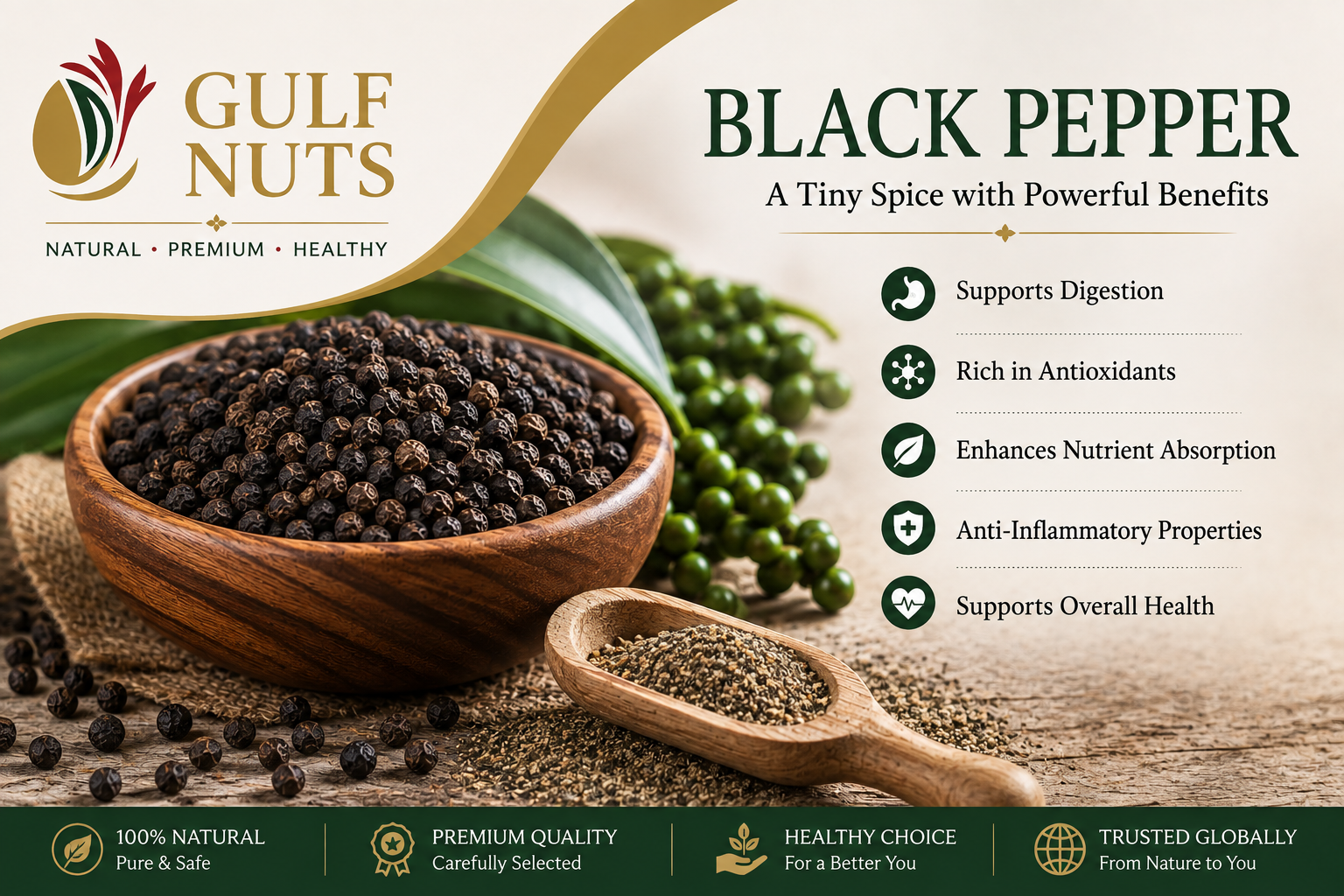
Black Pepper: Health Benefits, Nutritional Value, Uses, and Potential Side Effects
Introduction
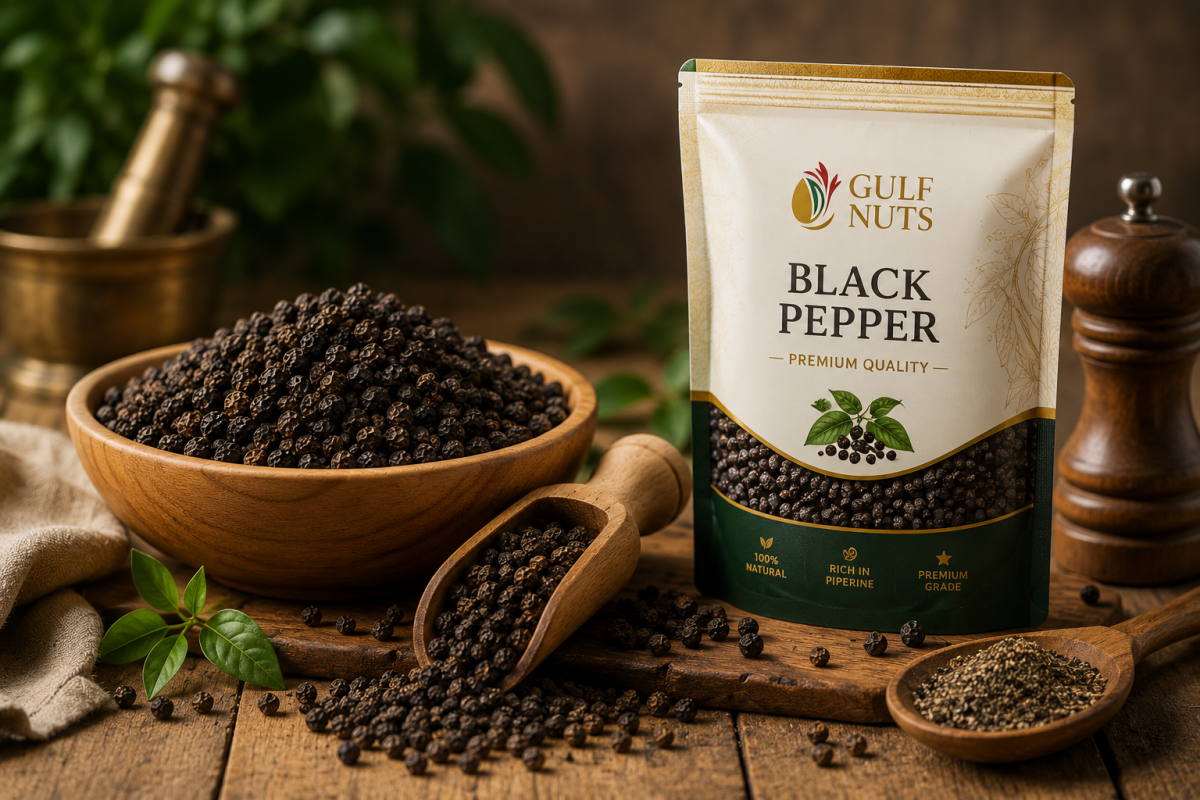
Black Pepper Benefits have made this popular spice an essential part of healthy diets around the world. Black pepper (Piper nigrum) is rich in piperine, antioxidants, and beneficial plant compounds that support digestion, improve nutrient absorption, and promote overall wellness. In this article, we explore the most important Black Pepper Benefits, nutritional value, culinary uses, and possible side effects.
Black pepper (Piper nigrum) is one of the oldest and most widely traded spices in the world. Often referred to as the “King of Spices,” it has been used for thousands of years in cooking, traditional medicine, and food preservation. Native to the tropical forests of India, black pepper is now cultivated in many countries, including Vietnam, Brazil, Indonesia, and Sri Lanka.
Black Pepper Benefits include improved digestion and better nutrient absorption.
Beyond its distinctive flavor and aroma, black pepper has attracted scientific attention because of its bioactive compound called piperine. This natural alkaloid is responsible for the spice’s pungent taste and many of its potential health benefits. Modern research suggests that black pepper may support digestion, improve nutrient absorption, protect cells from oxidative stress, and contribute to overall health when consumed as part of a balanced diet.
This article explores the nutritional profile, health benefits, culinary uses, and possible side effects of black pepper.
Many scientific studies have investigated the Black Pepper Benefits for overall health.
Nutritional Value of Black Pepper
Although black pepper is usually consumed in small amounts, it contains a variety of beneficial nutrients and plant compounds. It provides:
- Dietary fiber
- Manganese
- Iron
- Potassium
- Calcium
- Vitamin K
- Small amounts of Vitamin C
- Powerful antioxidants
- Piperine, the primary active compound
These nutrients work together to support various body functions, while piperine enhances the absorption of several vitamins and minerals from other foods.
Health Benefits of Black Pepper
1. Rich Source of Antioxidants
Oxidative stress occurs when free radicals damage healthy cells. This process is associated with aging and several chronic diseases.
Among the most important Black Pepper Benefits is its high piperine content.
Black pepper contains antioxidants that help neutralize free radicals, protecting cells from damage. Including antioxidant-rich foods in your diet may support long-term health and reduce the effects of oxidative stress.
The growing popularity of Black Pepper Benefits has encouraged more nutritional research.
2. Black Pepper Benefits for Digestion
Black pepper stimulates the secretion of hydrochloric acid in the stomach, which plays an important role in digesting proteins and other nutrients.
Proper stomach acid production helps:
- Improve digestion
- Reduce bloating
- Prevent indigestion
- Enhance nutrient absorption
Traditional medicine has long recommended black pepper to support digestive health.
3. Enhances Nutrient Absorption
One of the most remarkable properties of black pepper is its ability to increase the absorption of nutrients.
Piperine significantly improves the bioavailability of:
- Curcumin from turmeric
- Selenium
- Beta-carotene
- Vitamin B6
- Coenzyme Q10
- Certain amino acids
This is why many nutritional supplements combine turmeric with black pepper extract.
4. Supports Brain Function
Emerging research suggests that piperine may have neuroprotective properties.
Scientists believe black pepper may:
- Support memory
- Improve concentration
- Protect nerve cells
- Reduce oxidative damage in the brain
Although these findings are encouraging, additional human studies are needed before definitive conclusions can be made.
5. May Help Reduce Inflammation
Inflammation is the body’s natural response to injury or infection. However, chronic inflammation is associated with conditions such as arthritis, cardiovascular disease, and diabetes.
Laboratory studies indicate that piperine may reduce inflammatory markers, making black pepper a promising natural compound for future medical research.
6. Supports Healthy Weight Management
Some studies suggest that piperine may help increase metabolic activity and influence the formation of fat cells.
Combined with:
- Regular exercise
- A balanced diet
- Healthy lifestyle habits
black pepper may contribute to maintaining a healthy body weight.
7. Promotes Heart Health
Heart disease remains one of the leading causes of death worldwide.
Research indicates that black pepper’s antioxidant properties may help support cardiovascular health by:
- Reducing oxidative stress
- Supporting healthy cholesterol balance
- Improving blood circulation
However, black pepper should not replace prescribed medications or medical treatment.
8. May Help Control Blood Sugar
Preliminary studies suggest that piperine may improve insulin sensitivity and support healthy blood sugar regulation.
Although promising, more clinical research involving humans is necessary before black pepper can be recommended specifically for diabetes management.
9. Natural Antibacterial Properties
Several laboratory studies have demonstrated that black pepper exhibits antibacterial activity against certain microorganisms.
This property has contributed to its historical use in preserving food before refrigeration became widely available.
10. Supports Immune Health
Because black pepper contains antioxidants and plant compounds that help protect cells, it may contribute to a healthy immune system.
When combined with a nutritious diet rich in fruits, vegetables, whole grains, and lean proteins, black pepper can be part of an overall healthy eating pattern.
Culinary Uses of Black Pepper
Black pepper is one of the most versatile spices in the kitchen.
Black Pepper Benefits make this spice an excellent addition to a balanced diet.
It is commonly used in:
- Soups
- Salads
- Meat dishes
- Seafood
- Pasta
- Rice
- Vegetables
- Sauces
- Marinades
- Eggs
- Sandwiches
Freshly ground black pepper generally provides a stronger aroma and flavor than pre-ground pepper because its essential oils remain better preserved.
Black Pepper in Traditional Medicine
For centuries, traditional healing systems such as Ayurveda have used black pepper to support digestion and overall wellness.
Historically, it has been included in herbal remedies intended to:
- Stimulate appetite
- Improve digestion
- Support respiratory health
- Increase circulation
While some traditional uses are supported by modern research, others require further scientific investigation.
Side Effects of Black Pepper
Black pepper is considered safe when consumed in normal culinary amounts.
However, excessive consumption may cause:
- Heartburn
- Stomach irritation
- Digestive discomfort
- Irritation of the throat
Because piperine can increase the absorption of certain medications, individuals taking prescription drugs should consult a healthcare professional before consuming high-dose black pepper supplements.
Tips for Including Black Pepper in Your Diet
You can easily incorporate black pepper into your daily meals by:
- Adding freshly ground pepper to salads
- Seasoning grilled chicken or fish
- Mixing it with roasted vegetables
- Combining it with turmeric in soups or curries
- Sprinkling it over eggs or avocado toast
- Using it in homemade salad dressings
Freshly ground pepper usually provides the best flavor and highest concentration of aromatic compounds.
Conclusion
Black pepper is much more than a common kitchen spice. Its active compound, piperine, together with its antioxidants and essential nutrients, makes it a valuable addition to a healthy diet. Research suggests that black pepper may support digestion, enhance nutrient absorption, promote brain and heart health, help manage inflammation, and contribute to overall well-being.
Although black pepper offers many potential health benefits, it should be consumed in moderation as part of a balanced lifestyle. Individuals with certain medical conditions or those taking prescription medications should consult a healthcare professional before using concentrated black pepper supplements.
Overall, black pepper remains one of nature’s most remarkable spices—small in size, yet rich in flavor, history, and potential health benefits.