How to Tell if Saffron Is Pure or Fake | Gulf Nuts

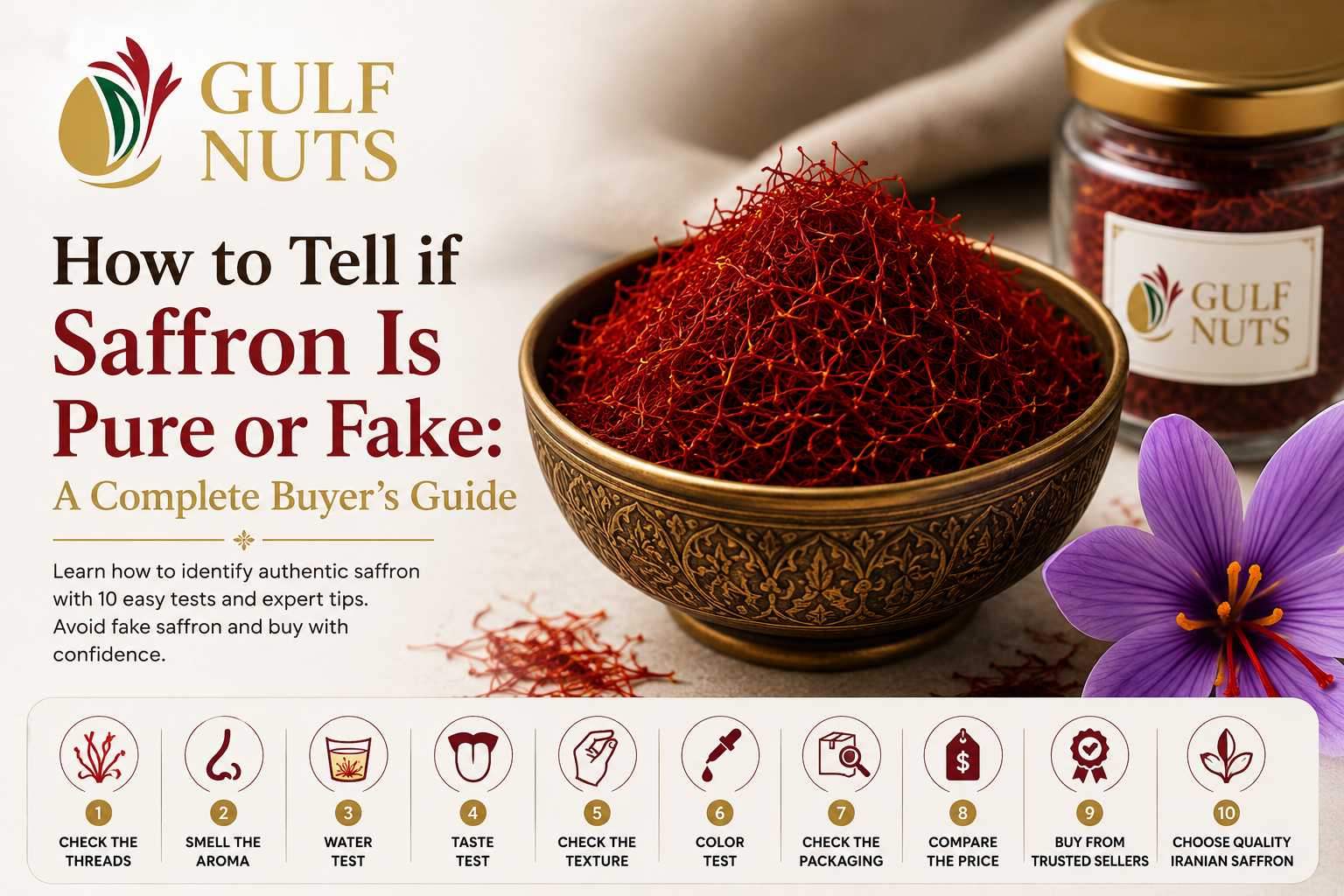
How to Tell if Saffron Is Pure or Fake: A Complete Buyer’s Guide
Saffron is one of the world’s most valuable spices, often called “Red Gold” because of its rarity, vibrant color, and remarkable aroma. However, its high price has also made it one of the most commonly adulterated spices on the market. Knowing how to tell if saffron is pure or fake can help you avoid low-quality products and ensure you’re getting authentic saffron with its full flavor, aroma, and natural coloring power.
This guide explains the most reliable ways to identify genuine saffron and highlights common signs that may indicate a counterfeit or adulterated product.
Many buyers search for information about **How to Tell if Saffron Is Pure or Fake** before purchasing premium saffron. Understanding **How to Tell if Saffron Is Pure or Fake** helps you avoid counterfeit products and choose authentic Iranian saffron with confidence.
Best Ways to Tell if Saffron Is Pure or Fake
Harvesting saffron is a labor-intensive process. Each flower produces only three delicate red stigmas, all of which must be picked by hand. It takes thousands of flowers to produce a small amount of saffron, making it one of the most expensive spices in the world.
Because of this value, some sellers mix saffron with dyed corn silk, safflower petals, turmeric, or artificial coloring to increase profits. Understanding how to tell if saffron is pure or fake helps protect you from these practices.
1. Examine the Shape of the Threads
Authentic saffron consists of thin crimson-red threads with a trumpet-shaped end. Each thread becomes slightly wider toward the tip and narrower at the base.
If every thread looks identical, perfectly straight, or uniformly cut, it may not be genuine saffron.
2. Look at the Color Carefully
High-quality saffron is deep red with only a small orange or yellow section at the base.
If the product contains too many yellow pieces or appears unnaturally bright red, its quality may be lower or it may have been altered.
Natural saffron should never look glossy or artificially colored.
3. Smell the Aroma
One of the easiest ways to identify real saffron is by its unique fragrance.
Authentic saffron has a rich aroma often described as a combination of:
- Honey
- Hay
- Floral notes
- Earthy sweetness
Fake saffron may smell like chemicals, food coloring, or have almost no scent at all.
4. Observe How It Colors Water
Many people use the water test, but it should be interpreted correctly.
Place a few saffron threads into warm water.
Real saffron releases its golden-yellow color gradually over several minutes while the threads largely keep their red appearance.
If the water instantly turns bright red and the threads quickly lose all their color, the product may have been artificially dyed.
Remember, this test alone cannot confirm authenticity, but it can provide useful clues.
5. Feel the Texture
Pure saffron threads are dry, lightweight, and slightly brittle.
They should not feel sticky, oily, or damp.
Moisture can reduce saffron quality and may indicate poor storage or intentional weight manipulation.
6. Taste a Small Thread
Authentic saffron has a slightly bitter taste.
It should never taste sweet.
If saffron tastes sugary, it may contain added substances or artificial coatings.
7. Buy from Trusted Sellers
Perhaps the most reliable way to ensure authenticity is purchasing from reputable suppliers.
Choose companies that provide:
- Transparent product information
- Quality certifications when available
- Proper packaging
- Positive customer reviews
Buying from trusted sellers significantly reduces the risk of receiving counterfeit saffron.
8. Check the Packaging
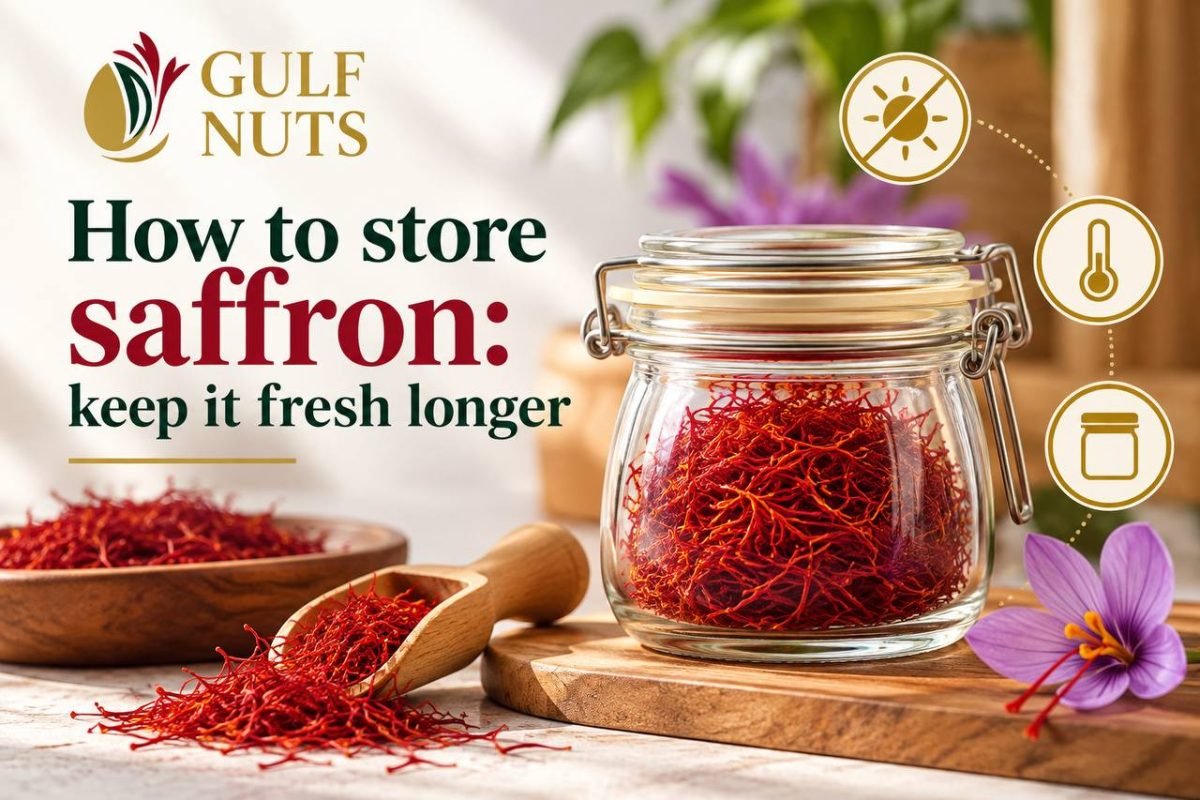
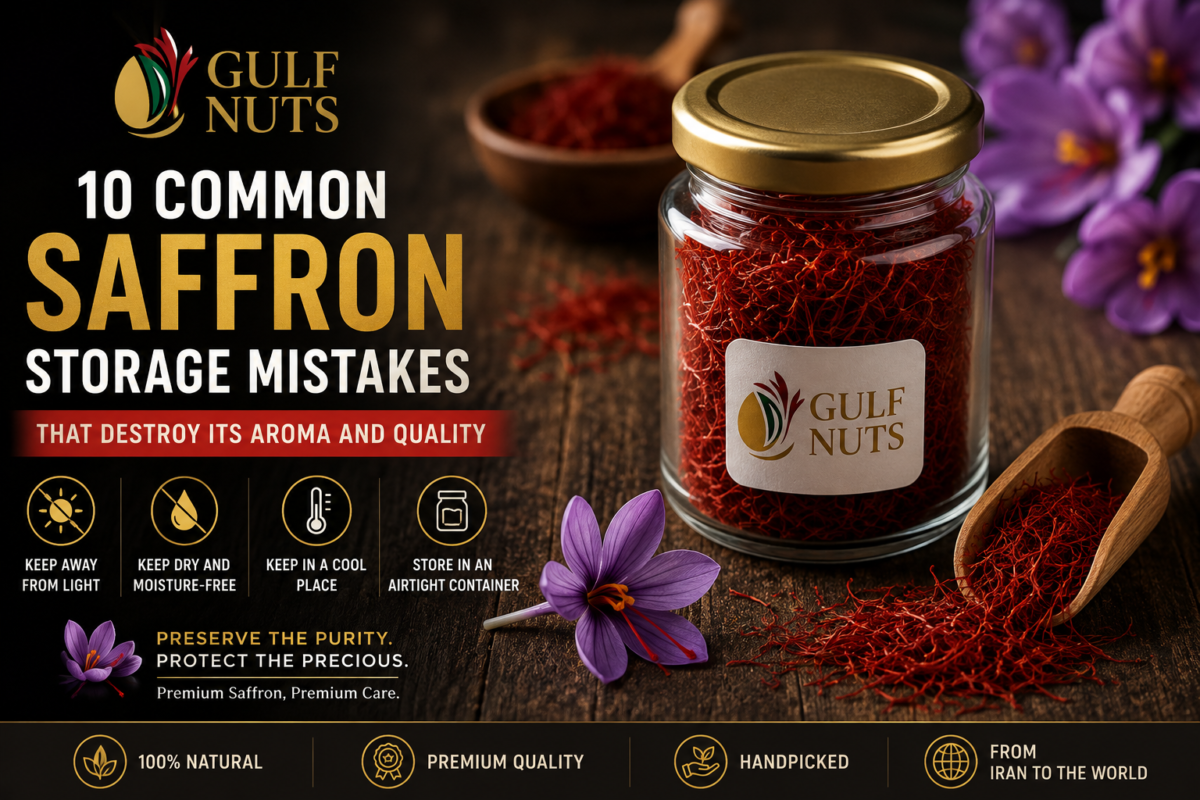
Premium saffron should be packaged in airtight containers that protect it from light, heat, and moisture.
Professional packaging also includes:
- Product name
- Country of origin
- Net weight
- Batch information
- Storage recommendations
Poor packaging may affect freshness and quality.
9. Compare the Price
If a deal seems too good to be true, it probably is.
Producing genuine saffron requires significant time and labor, making extremely cheap saffron highly suspicious.
Quality saffron commands a premium price because of the harvesting process and limited supply.
10. Choose Iranian Saffron
Iran produces most of the world’s saffron and is recognized for its exceptional quality.
Premium Iranian saffron is known for:
- Rich crimson threads
- Strong aroma
- Excellent coloring strength
- High crocin content
- Superior flavor
Choosing authentic Iranian saffron from reputable brands is one of the best ways to enjoy premium quality.
Common Myths About Fake Saffron
Several myths circulate online regarding saffron authentication.
For example, some believe that if saffron colors water quickly, it is automatically fake.
In reality, genuine saffron naturally releases color. What matters is how the color develops, how the threads behave, and whether multiple quality indicators support authenticity.
No single home test can guarantee that saffron is pure. The best approach is to evaluate appearance, aroma, packaging, and supplier reputation together.
Tips for Buying Premium Saffron
Before purchasing saffron, remember these recommendations:
- Buy whole threads instead of powder whenever possible.
- Choose reputable brands.
- Check for airtight packaging.
- Avoid products with unusually low prices.
- Store saffron properly after purchase.
- Read customer reviews before buying online.
These simple steps greatly reduce the risk of purchasing counterfeit products.
Frequently Asked Questions
Can fake saffron be harmful?
Some counterfeit products contain artificial dyes or unknown plant materials. Buying from trusted suppliers is the safest choice.
Does real saffron dissolve completely in water?
No. The threads gradually release their color while largely keeping their original structure.
Is powdered saffron reliable?
Whole saffron threads are generally easier to evaluate than powdered saffron.
Why is Iranian saffron considered the best?
Iran’s climate, traditional harvesting methods, and generations of expertise contribute to producing premium-quality saffron.
If you still wonder **How to Tell if Saffron Is Pure or Fake**, always examine the threads, aroma, packaging, and purchase your saffron from a trusted supplier. Learning **How to Tell if Saffron Is Pure or Fake** is the best way to ensure premium quality every time.
Final Thoughts
Learning how to tell if saffron is pure or fake is essential for anyone who values quality, flavor, and authenticity. While no single test can provide absolute certainty, combining visual inspection, aroma evaluation, proper packaging, and purchasing from trusted suppliers offers the best protection against counterfeit products.
When you choose premium Iranian saffron from a reputable source, you can enjoy the vibrant color, rich aroma, and exceptional taste that have made saffron one of the world’s most treasured spices.