
Cinnamon Benefits: 10 Science-Backed Reasons to Add This Powerful Spice to Your Diet

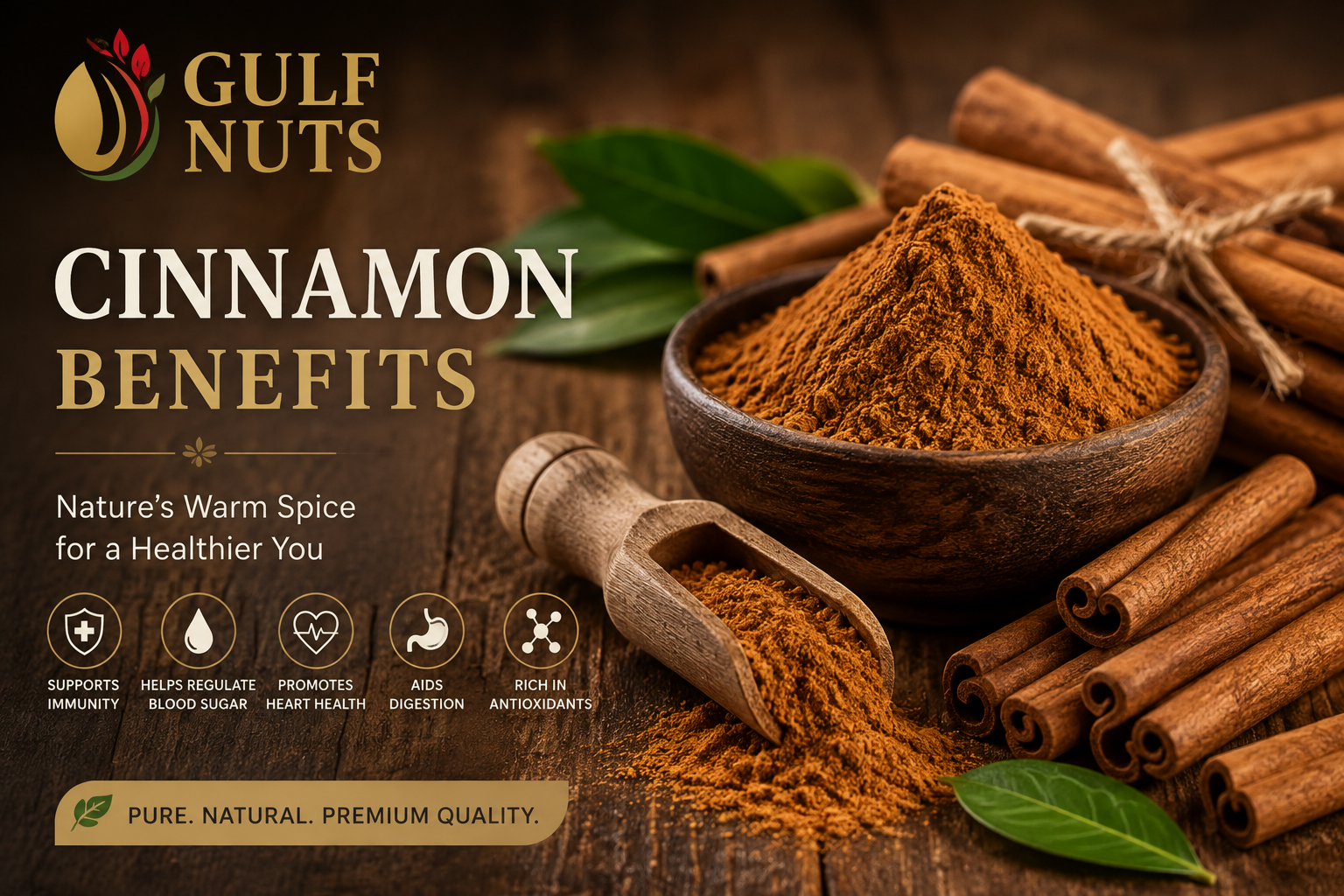
Cinnamon Benefits: Why This Ancient Spice Deserves a Place in Your Daily Diet
Introduction
Cinnamon Benefits have been recognized for thousands of years, making this aromatic spice one of the most valuable natural ingredients in the world. Used in traditional medicine, cooking, and even ancient trade, cinnamon continues to gain attention because of its impressive nutritional profile and potential health benefits. Whether sprinkled over oatmeal, added to coffee, or used in savory dishes, cinnamon offers much more than a warm and comforting flavor.
Modern research suggests that cinnamon contains powerful plant compounds that may support heart health, blood sugar control, digestion, and overall wellness. In this guide, we’ll explore everything you need to know about cinnamon, including its nutritional value, health benefits, culinary uses, and possible side effects.
What Is Cinnamon?
Cinnamon is a spice made from the inner bark of trees belonging to the Cinnamomum genus. After harvesting, the bark naturally curls into the familiar cinnamon sticks, which can also be ground into powder.
The two most common varieties are:
- Ceylon Cinnamon (True Cinnamon): Known for its delicate flavor and lower coumarin content.
- Cassia Cinnamon: More widely available, stronger in flavor, and commonly found in supermarkets.
While both varieties contain beneficial compounds, Ceylon cinnamon is generally preferred for frequent consumption because it contains much less coumarin, a natural substance that may be harmful in excessive amounts.
Nutritional Value of Cinnamon
Although cinnamon is usually consumed in small quantities, it contains several important nutrients and beneficial plant compounds, including:
- Dietary fiber
- Calcium
- Iron
- Manganese
- Vitamin K
- Potassium
- Polyphenols
- Cinnamaldehyde, the compound responsible for cinnamon’s distinctive aroma and many of its health-supporting properties
These nutrients make cinnamon a flavorful addition to a balanced diet.
Top Cinnamon Benefits
1. Rich in Antioxidants
One of the most impressive Cinnamon Benefits is its high antioxidant content. Antioxidants help protect the body from oxidative stress caused by free radicals, supporting healthy aging and cellular function.
2. Supports Healthy Blood Sugar Levels
Several studies suggest that cinnamon may help improve insulin sensitivity and support healthy blood sugar levels when combined with a nutritious diet and regular exercise. For this reason, cinnamon has attracted significant interest among researchers studying metabolic health.
3. Natural Anti-Inflammatory Properties
Chronic inflammation is associated with many long-term health conditions. Cinnamon contains natural compounds that may help support the body’s normal inflammatory response, making it a valuable addition to an anti-inflammatory eating pattern.
4. Promotes Heart Health
Cinnamon may contribute to cardiovascular wellness by supporting healthy cholesterol levels, maintaining normal blood pressure, and reducing oxidative stress. While more research is needed, current findings are encouraging.
5. Supports Brain Function
Emerging research suggests that certain compounds found in cinnamon may help protect brain cells from oxidative damage. Scientists continue to investigate its potential role in supporting memory and cognitive performance.
6. Helps Fight Harmful Bacteria
Cinnamaldehyde, cinnamon’s primary active compound, has demonstrated antimicrobial properties in laboratory studies. It may help inhibit the growth of certain bacteria and fungi, contributing to overall health.
7. Aids Digestion
For centuries, cinnamon has been used to ease digestive discomfort. It may help reduce bloating, improve digestion, and provide a soothing effect after meals.
Culinary Uses of Cinnamon
Cinnamon is one of the world’s most versatile spices. It complements both sweet and savory recipes and can be used in numerous ways, including:
- Oatmeal and breakfast cereals
- Coffee and tea
- Smoothies
- Cakes, cookies, and pastries
- Rice dishes
- Curries
- Soups
- Fruit salads
- Homemade granola
Its naturally sweet flavor also makes it a popular ingredient for reducing added sugar in recipes.
Possible Side Effects
Although cinnamon is safe when consumed in normal culinary amounts, excessive intake—especially of Cassia cinnamon—may lead to unwanted effects due to its coumarin content.
People who take blood-thinning medications, have liver disease, or are pregnant should consult a healthcare professional before taking high-dose cinnamon supplements. As with any herbal product, moderation is key.
Tips for Including Cinnamon in Your Diet
Adding cinnamon to your daily routine is simple:
- Sprinkle it over oatmeal or yogurt.
- Add it to smoothies or protein shakes.
- Mix it into coffee or tea.
- Use it in baking instead of extra sugar.
- Season roasted vegetables or savory dishes with a small amount.
These easy additions can enhance flavor while contributing to a healthy eating pattern.
Conclusion
The many Cinnamon Benefits make this ancient spice a valuable addition to a healthy lifestyle. Rich in antioxidants and beneficial plant compounds, cinnamon may support heart health, healthy blood sugar levels, digestion, and overall wellness. While it should not replace medical treatment or prescribed medications, enjoying cinnamon as part of a balanced diet is a delicious and practical way to add more natural goodness to your meals.
Whether you choose Ceylon or Cassia cinnamon, using this flavorful spice in moderation allows you to enjoy its taste and potential health benefits every day.