
Turmeric Benefits: 10 Science-Backed Reasons to Add This Golden Spice to Your Diet

Turmeric: Health Benefits, Uses, Nutrition, and Potential Side Effects
Introduction
Turmeric Benefits for Heart Health
Turmeric Benefits have made this golden spice one of the most popular natural remedies in the world. From supporting heart health to reducing inflammation, turmeric has been used for centuries in traditional medicine and modern nutrition.
Turmeric Benefits is one of the most widely used spices in the world, known for its vibrant golden-yellow color, warm earthy flavor, and impressive health benefits. For thousands of years, turmeric has been an essential ingredient in Asian cuisine and a cornerstone of traditional Ayurvedic and Chinese medicine. Today, modern science continues to study turmeric for its potential role in supporting overall health and preventing chronic diseases. Its growing popularity has also made it a common ingredient in dietary supplements, herbal teas, and natural skincare products.
What Is Turmeric Benefits?
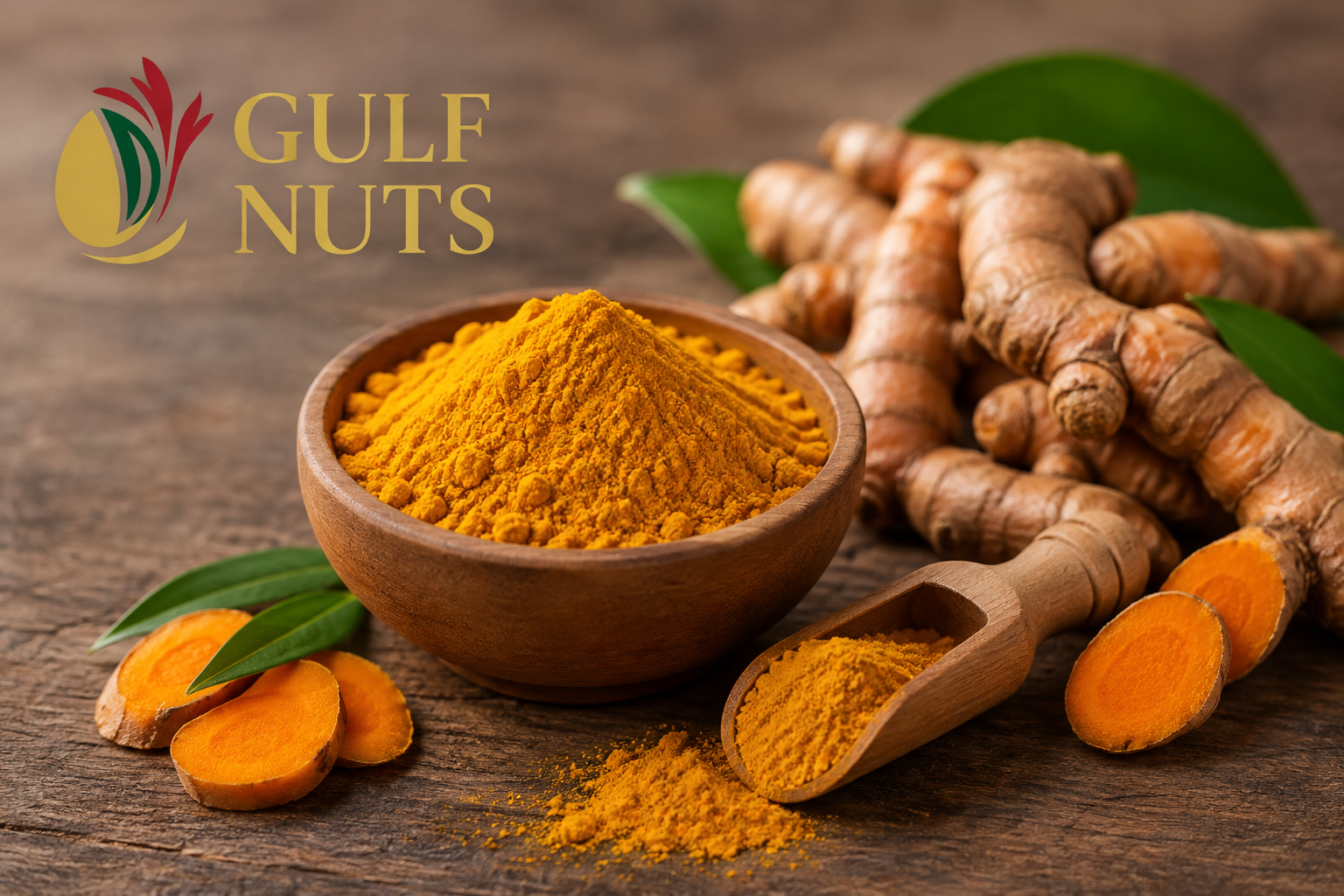
Turmeric Benefits comes from the root of the Curcuma longa plant, a member of the ginger family. Native to South Asia, particularly India, the root is harvested, boiled, dried, and ground into the bright yellow powder commonly used as a spice. The primary active compound in turmeric Benefits is curcumin, a natural polyphenol responsible for many of its medicinal properties.
Although curcumin makes up only a small percentage of turmeric Benefits, it has been extensively researched for its antioxidant and anti-inflammatory effects. However, curcumin is not easily absorbed by the body. For better absorption, turmeric is often consumed with black pepper, which contains piperine, or with healthy fats.
Nutritional Value
Turmeric Benefits for Digestion
Besides curcumin, turmeric contains small amounts of vitamins and minerals, including vitamin C, vitamin B6, potassium, manganese, and iron. It also provides dietary fiber and beneficial plant compounds that contribute to its overall nutritional profile. While turmeric is usually consumed in small quantities, it can still support a healthy diet when used regularly in cooking.
Health Benefits of Turmeric
Powerful Anti-Inflammatory Effects
One of turmeric’s most recognized benefits is its ability to help reduce inflammation. Chronic inflammation has been associated with conditions such as arthritis, heart disease, diabetes, and certain autoimmune disorders. Curcumin may help regulate inflammatory pathways in the body, making turmeric Benefits a valuable addition to an anti-inflammatory diet.
Rich Source of Antioxidants
Oxidative stress caused by free radicals can damage cells and accelerate aging. Curcumin acts as a powerful antioxidant by neutralizing free radicals and supporting the body’s natural antioxidant defenses. This may help protect cells from long-term damage.
Supports Heart Health
Research suggests that curcumin may contribute to cardiovascular health by improving blood vessel function, reducing oxidative stress, and supporting healthy cholesterol levels as part of a balanced lifestyle. Maintaining heart health involves many factors, and turmeric may provide additional support alongside healthy eating and regular exercise.
Promotes Brain Function
Scientists are exploring the relationship between curcumin and brain health. Some studies suggest it may support memory, cognitive performance, and healthy brain aging. Although more research is needed, these findings have generated significant interest in turmeric as a natural brain-supporting food.
Strengthens the Immune System
The combination of antioxidant and anti-inflammatory compounds found in turmeric may help support normal immune function. Including turmeric Benefits in a balanced diet may contribute to the body’s natural ability to defend itself against illness.
Supports Healthy Digestion
Turmeric has traditionally been used to relieve digestive discomfort. It may help stimulate bile production, improve digestion, and reduce occasional bloating after meals. Many cultures have used turmeric Benefits tea as a natural digestive remedy for centuries.
Culinary Uses
Turmeric is an incredibly versatile spice that can be incorporated into a variety of dishes. It is commonly used in curries, soups, rice dishes, roasted vegetables, marinades, sauces, and smoothies. Golden milk, a warm beverage made with milk, turmeric, and spices, has become increasingly popular around the world. Because turmeric has a mild earthy flavor, it blends well with ginger, garlic, cumin, cinnamon, and black pepper.
Possible Side Effects
Turmeric is generally safe when consumed in normal food amounts. However, taking high doses of turmeric or concentrated curcumin supplements may cause digestive discomfort, nausea, or diarrhea in some individuals. Curcumin may also interact with blood-thinning medications and certain diabetes medications. People who are pregnant, have gallbladder disease, or take prescription medications should consult a healthcare professional before using turmeric supplements.
Conclusion
Turmeric is far more than a colorful kitchen spice. Its active compound, curcumin, has attracted worldwide scientific attention for its potential antioxidant, anti-inflammatory, and overall health-supporting properties. While turmeric should not replace medical treatment or prescribed medications, incorporating it into a balanced diet may support overall wellness. Whether added to everyday meals or enjoyed in beverages such as golden milk, turmeric remains one of nature’s most valuable and versatile spices.