Saffron Benefits | Pure Iranian Saffron Guide

Saffron Benefits: A Complete Guide to the World’s Most Valuable Spice
Introduction
Saffron Benefits have made this precious spice one of the most valuable natural products in the world. Known as Red Gold, Iranian saffron is prized for its exceptional quality, aroma, and color.
Saffron is widely recognized as the world’s most valuable spice, prized for its vibrant crimson threads, distinctive aroma, rich flavor, and long history of culinary and traditional use. Often called “Red Gold,” saffron has been cultivated for thousands of years and remains one of the most sought-after natural products in international markets.
Derived from the delicate stigmas of the Crocus sativus flower, saffron is used in cuisines across Asia, Europe, and the Middle East. Beyond its culinary value, it contains naturally occurring compounds that have been studied for their antioxidant properties and potential health effects.
This guide explores what saffron is, how it is produced, its nutritional profile, common uses, potential health benefits, storage methods, and tips for choosing high-quality saffron.
What Are the Saffron Benefits?
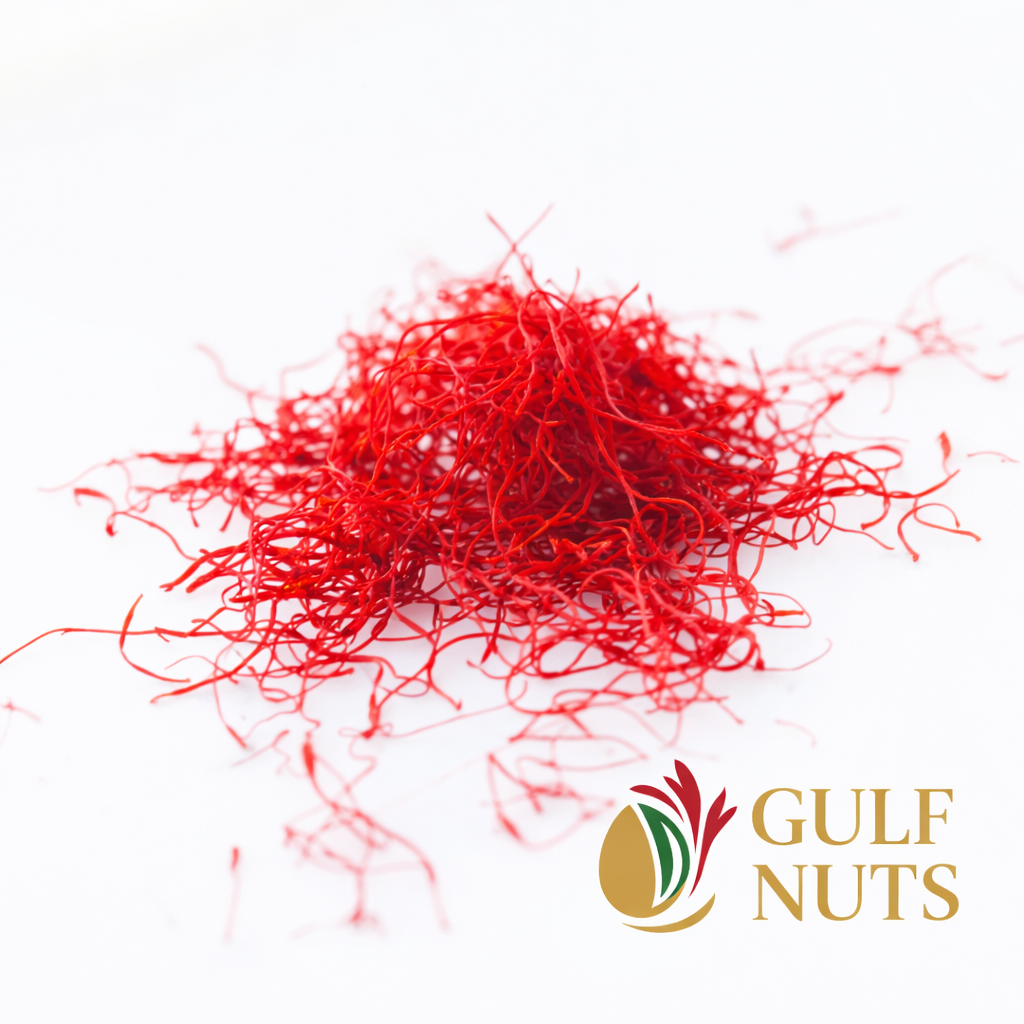
Saffron is obtained from the crimson-red stigmas of the Crocus sativus flower, commonly known as the saffron crocus. Each flower produces only three stigmas, and these must be carefully harvested by hand during a short flowering season.
Because harvesting is entirely manual and requires a large number of flowers, saffron is among the most labor-intensive agricultural products in the world.
The spice is valued for three main characteristics:
- Deep golden color
- Distinct floral aroma
- Rich, slightly sweet flavor
These qualities make saffron a premium ingredient in both traditional and modern cuisine.
History of Saffron
Saffron has been cultivated for more than 3,000 years. Historical records show that it was used in ancient Persia, Greece, India, and Egypt for cooking, perfumes, textiles, and traditional medicine.
Today, saffron remains an important agricultural product and is exported worldwide for culinary, cosmetic, and research purposes.
Nutritional Profile
Although saffron is typically consumed in small amounts, it contains several naturally occurring compounds, including:
- Crocin
- Crocetin
- Safranal
- Picrocrocin
These compounds contribute to saffron’s characteristic color, aroma, and taste. Saffron also contains small amounts of vitamins and minerals, though it is generally used as a seasoning rather than a major nutritional source.
Top Saffron Benefits for Your Health
Research into saffron is ongoing. While early findings are promising, more large-scale human studies are needed to confirm many potential benefits.
Rich in Antioxidants
Saffron contains antioxidant compounds that help protect cells from oxidative stress caused by free radicals.
May Support Mood
Some clinical studies suggest saffron may help support emotional well-being in certain adults. It should not be considered a replacement for professional medical care or prescribed treatments.
Cognitive Health
Researchers continue to study whether saffron’s natural compounds may support memory and cognitive function. Current evidence is encouraging but not conclusive.
Eye Health
Some studies have explored saffron’s potential role in supporting retinal health and vision. More research is needed before firm conclusions can be made.
Heart Health
A diet rich in antioxidant-containing foods may support cardiovascular health. Saffron can be part of a balanced eating pattern, though it should not be viewed as a treatment for heart disease.
Culinary Uses of Saffron
Saffron is widely used in many traditional dishes around the world, including:
- Rice dishes
- Seafood recipes
- Soups
- Stews
- Desserts
- Cakes
- Ice cream
- Tea and herbal infusions
- Milk-based beverages
Only a small amount is required because saffron has a concentrated flavor, aroma, and coloring effect.
How to Use Saffron
For the best flavor and color:
- Grind a small amount of saffron threads.
- Soak them in warm (not boiling) water, milk, or broth for 10–20 minutes.
- Add the infusion to your recipe during cooking.
This method helps release saffron’s natural color and aroma.
Saffron Benefits and Nutritional Value
When shopping for saffron, look for:
- Uniform deep-red threads
- Minimal yellow portions
- Dry, flexible texture
- Pleasant natural aroma
- No added coloring or fillers
Buying from reputable suppliers helps reduce the risk of adulterated products.
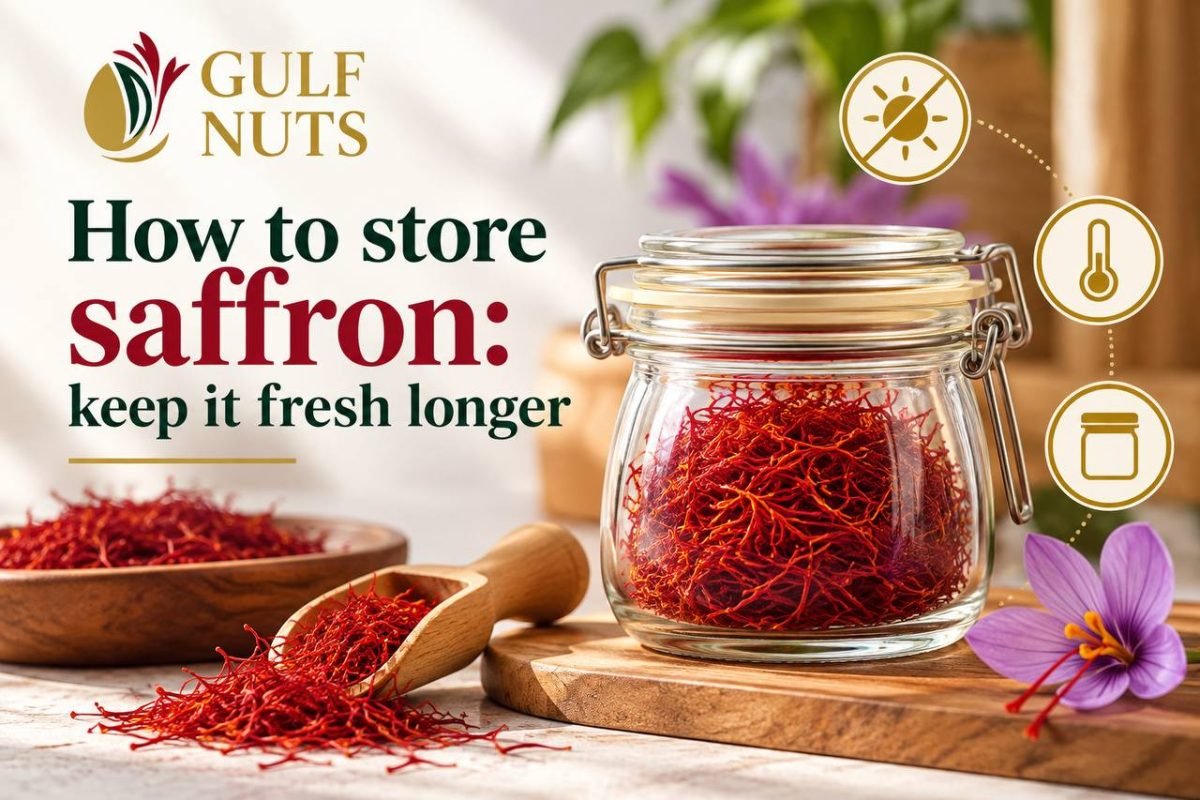
How to Store Saffron
To maintain quality:
- Store in an airtight container.
- Keep away from moisture.
- Avoid direct sunlight.
- Store in a cool, dark place.
- Protect from strong odors.
Proper storage helps preserve saffron’s aroma and quality over time.
Why Iranian Saffron Is Highly Regarded
Iran is the world’s leading producer of saffron and is known for generations of cultivation expertise. Many consumers and chefs value Iranian saffron for its:
- Strong coloring ability
- Rich aroma
- High-quality threads
- Consistent flavor
Quality, however, can vary among producers, so sourcing from trusted suppliers remains important.
Frequently Asked Questions
Why is saffron so expensive?
Saffron is harvested entirely by hand, and each flower yields only three usable stigmas. This labor-intensive process contributes to its high price.
How should saffron be stored?
Keep saffron in a sealed container in a cool, dry, and dark place to help preserve its aroma and color.
Can saffron be used every day?
Many people use small culinary amounts of saffron regularly. If you are considering larger amounts or supplements, consult a healthcare professional, especially if you are pregnant, breastfeeding, or taking medications.
What makes high-quality saffron?
High-quality saffron has deep-red threads, a strong natural aroma, and excellent coloring strength without artificial additives.
Final Thoughts on Saffron Benefits
Saffron is one of the world’s most distinctive spices, valued for its color, aroma, flavor, and centuries-long cultural significance. Whether incorporated into traditional recipes or modern cuisine, it remains a premium ingredient appreciated around the globe. Choosing authentic, high-quality saffron and using it appropriately allows you to enjoy its unique culinary qualities and its naturally occurring antioxidant compounds as part of a balanced diet.