
Health Benefits of Saffron

Health Benefits of Saffron: 15 Science-Backed Reasons to Add the World’s Most Precious Spice to Your Diet
The health benefits of saffron have been recognized for centuries in traditional medicine.
Health Benefits of Saffron
Saffron, often called the “Golden Spice” or “Red Gold,” is one of the most valuable spices in the world. Harvested from the delicate flowers of Crocus sativus, saffron has been treasured for thousands of years for its vibrant color, distinctive aroma, and remarkable health benefits.
Beyond its culinary value, saffron contains powerful natural compounds such as crocin, crocetin, safranal, and picrocrocin, which have attracted significant scientific interest. Modern research suggests that these bioactive compounds may help support overall health when saffron is consumed as part of a balanced diet.
In this comprehensive guide, we’ll explore the most important health benefits of saffron, how to consume it correctly, and what to consider before adding it to your daily routine.
Many studies continue to explore the health benefits of saffron for overall wellness.
1. Rich in Powerful Antioxidants
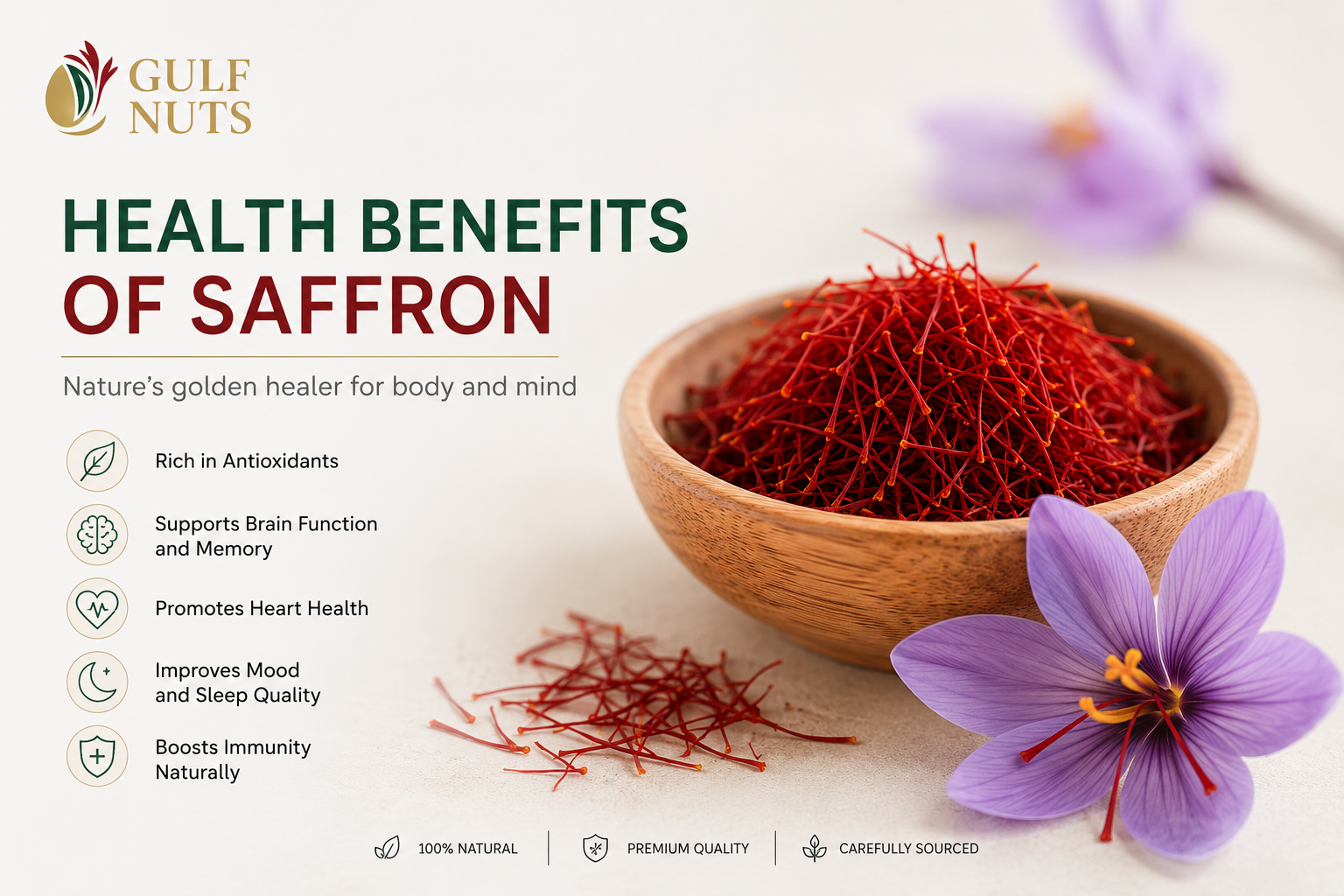
One of saffron’s greatest strengths is its high concentration of antioxidants. These compounds help protect the body’s cells against oxidative stress caused by free radicals.
The primary antioxidants found in saffron include:
- Crocin
- Crocetin
- Safranal
- Kaempferol
These antioxidants may contribute to healthy aging, support immune function, and reduce cellular damage associated with environmental stress.
2. May Improve Mood Naturally
Saffron is widely recognized for its potential mood-enhancing effects. Several clinical studies suggest that saffron may help improve symptoms of mild depression and anxiety.
Because of these findings, saffron has earned the nickname “the sunshine spice.”
While saffron is not a replacement for professional medical treatment, moderate consumption may support emotional well-being as part of a healthy lifestyle.
3. Supports Brain Function and Memory
Research suggests that saffron’s active compounds may help protect brain cells and improve cognitive performance.
Potential benefits include:
- Better concentration
- Improved memory
- Enhanced learning ability
- Protection against age-related cognitive decline
Scientists continue to investigate saffron’s possible role in supporting individuals with neurodegenerative conditions such as Alzheimer’s disease.
4. Promotes Heart Health
Heart disease remains one of the leading causes of death worldwide. A healthy diet rich in antioxidants plays an important role in cardiovascular wellness.
Saffron may support heart health by:
- Helping reduce oxidative stress
- Supporting healthy blood circulation
- Contributing to balanced cholesterol levels
- Helping maintain healthy blood pressure
Although saffron alone cannot prevent heart disease, it can be part of a heart-friendly diet.
5. Supports Healthy Vision
Crocin, one of saffron’s key antioxidants, has shown promising effects in protecting retinal cells.
Some studies suggest saffron may:
- Support eye health
- Help protect vision as people age
- Reduce oxidative damage in eye tissues
More research is still needed, but current findings are encouraging.
6. Helps Reduce Inflammation
Chronic inflammation has been linked to many health conditions, including cardiovascular disease, diabetes, and arthritis.
Saffron contains natural compounds with anti-inflammatory properties that may help reduce inflammation throughout the body when consumed regularly in moderate amounts.
7. Strengthens the Immune System
A healthy immune system relies on proper nutrition and antioxidant intake.
Saffron contributes beneficial plant compounds that may help:
- Support immune function
- Protect cells
- Improve the body’s natural defense mechanisms
Combined with a healthy lifestyle, saffron can become part of an immune-supportive diet.
8. May Improve Sleep Quality
Many people enjoy saffron tea or warm milk infused with saffron before bedtime.
Its calming properties may help:
- Promote relaxation
- Reduce stress
- Improve sleep quality
- Support a healthy sleep routine
Although individual responses vary, many users report better rest after moderate saffron consumption.
9. May Ease PMS Symptoms
Research indicates that saffron may help reduce certain symptoms associated with Premenstrual Syndrome (PMS), including:
- Mood swings
- Irritability
- Mild pain
- Emotional discomfort
Women experiencing severe symptoms should always consult a healthcare professional.
10. May Help Control Appetite
Some studies suggest saffron may reduce unnecessary snacking and emotional eating.
Combined with:
- Regular exercise
- A balanced diet
- Healthy habits
Saffron may support long-term weight management goals.
11. Boosts Energy Naturally
Unlike highly caffeinated products, saffron may promote a feeling of natural vitality without excessive stimulation.
Many people enjoy saffron-infused drinks during the day to improve focus and maintain positive energy levels.
12. Supports Healthy Skin
Thanks to its antioxidant content, saffron may contribute to healthier-looking skin.
Potential benefits include:
- Fighting oxidative stress
- Supporting collagen protection
- Promoting a brighter complexion
- Helping maintain youthful skin
Saffron is also commonly used in traditional skincare products.
13. Supports Digestive Health
For centuries, saffron has been used in traditional medicine to promote digestion.
Moderate consumption may help:
- Improve digestion
- Support gut comfort
- Stimulate appetite when needed
As always, digestive issues should be evaluated by a healthcare provider if symptoms persist.
14. Enhances Food Naturally
Saffron provides:
- Rich golden color
- Distinct aroma
- Unique flavor
Because only a small amount is needed, saffron allows cooks to enhance meals naturally without adding significant calories.
15. A Valuable Source of Natural Plant Compounds
Saffron is more than just a luxury spice.
Its unique combination of vitamins, minerals, antioxidants, and bioactive compounds makes it one of the most valuable ingredients in healthy cooking.
Understanding the health benefits of saffron can help you include this valuable spice in your daily diet.
How to Use Saffron Correctly
To get the best flavor and color:
- Grind a small amount of saffron threads.
- Steep them in warm (not boiling) water for 10–20 minutes.
- Add the infused saffron to rice, tea, desserts, soups, or beverages.
This method helps release saffron’s color, aroma, and beneficial compounds.
Is Saffron Safe?
Yes, saffron is generally safe when consumed in culinary amounts.
However:
- Avoid excessive intake.
- Pregnant women should consult their healthcare provider before consuming large amounts.
- Individuals taking medication should seek medical advice if they plan to consume saffron supplements.
Among the many health benefits of saffron, its antioxidant properties are especially important.Frequently Asked Questions
Can I consume saffron every day?
Yes. Small culinary amounts can generally be enjoyed daily as part of a balanced diet.
Does saffron cure diseases?
No. Saffron is a nutritious spice that may support overall health, but it is not a substitute for medical treatment.
How much saffron should I use?
A small pinch is usually enough for cooking and beverages. Because saffron is highly concentrated, a little goes a long way.
How should saffron be stored?
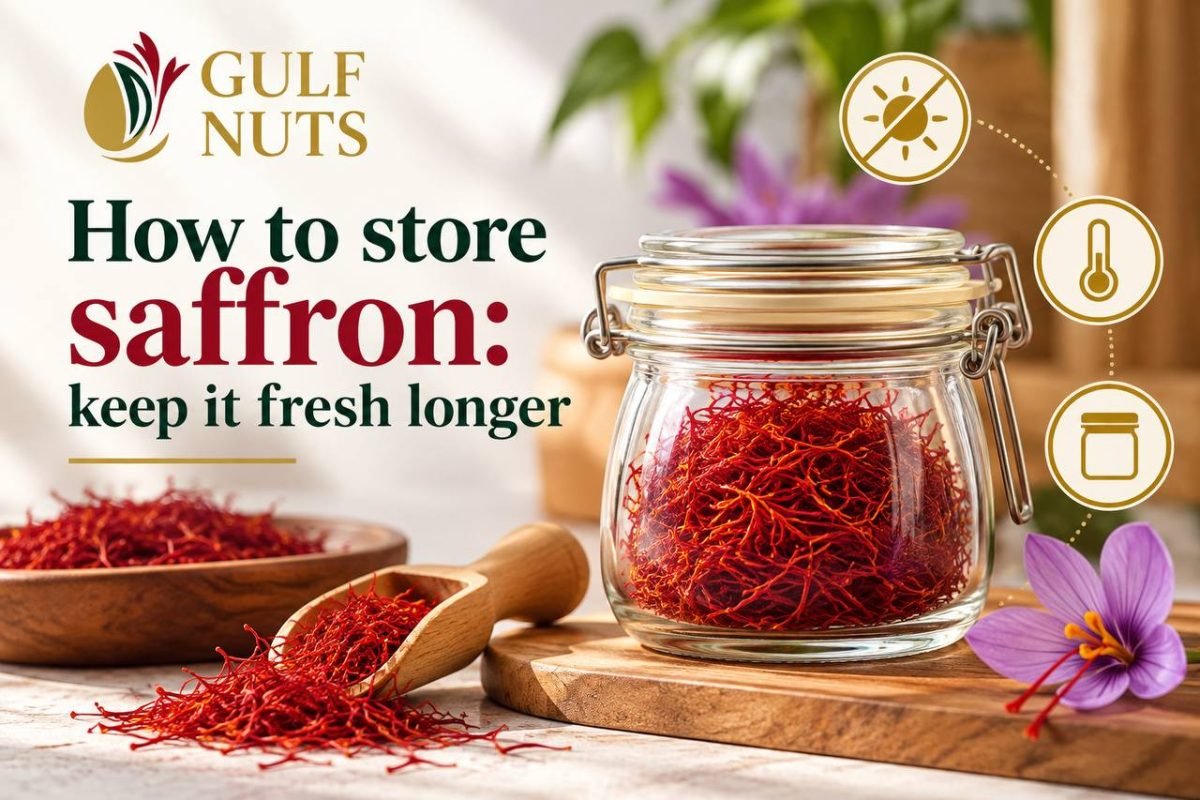
Keep saffron in an airtight container away from heat, moisture, and direct sunlight to preserve its aroma, color, and quality.
Final Thoughts
Saffron is one of nature’s most extraordinary spices. Its rich antioxidant profile and centuries of traditional use have made it popular worldwide for both culinary and wellness purposes. From supporting mood, heart health, brain function, and immunity to enhancing the flavor of everyday meals, saffron offers numerous potential benefits when consumed responsibly.
When purchasing saffron, always choose premium-quality, authentic saffron from a trusted supplier. High-quality saffron not only delivers a richer aroma and deeper color but also provides the best overall experience in cooking and everyday use.